

More Than Just Sailing: 5 Life Skills You'll Bring Home
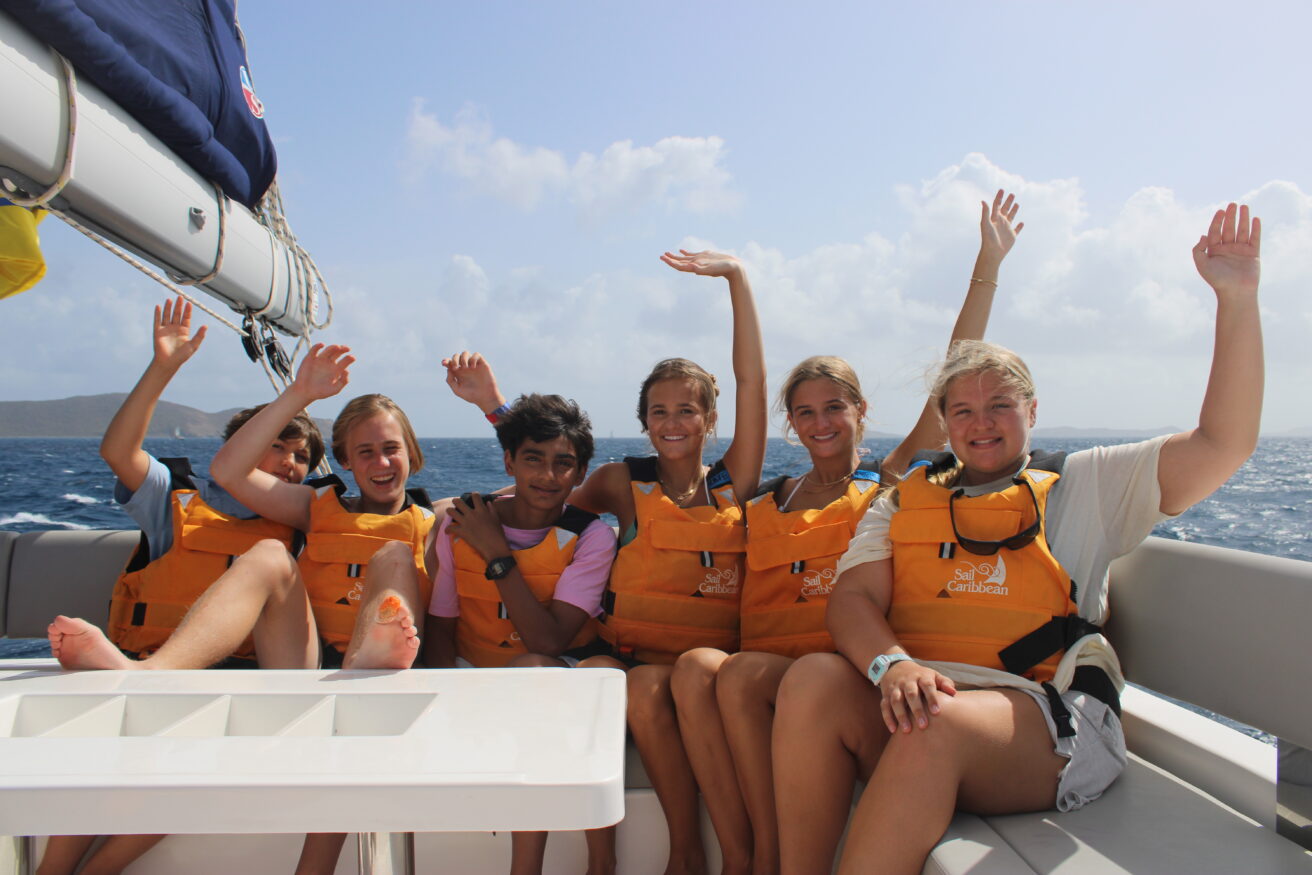
- Living in close quarters teaches teens to communicate effectively, working with diverse personalities and clearly expressing their own needs.
- Teens develop independence by managing personal hygiene, keeping their cabins clean, and packing for daily excursions without parental reminders.
- Unpredictable changes at sea, like weather shifts, teach teens quick adaptability and flexibility in dynamic environments.
- Shared duties and responsibilities on the boat foster teamwork, with every teen learning to lead and support crewmates.
- Facing challenges like seasickness or new maneuvers builds resilience, helping teens gain confidence in overcoming difficulties.
Written by Mia B., Marketing Team
More Than Just Sailing: 5 Life Skills You’ll Bring Home
When most parents hear “sailing camp,” they probably picture their child spending the summer learning to tie a few knots or steer a boat. While that may be true, it’s far from the only thing teens take with them from camp. Life aboard a 50-foot yacht with 10-12 other teens means learning how to work together, take responsibility, and solve problems as a team.
From assigned crew roles to completing tasks on the daily duty roster, everyday moments at Sail Caribbean become opportunities for personal growth. Life on boats can be unpredictable, and these teens quickly learn how to put their heads together and take on these challenges at sea.


Why a Boat Teaches Life Skills Faster Than Almost Anywhere Else
Life Onboard is different from everyday life on land. At sea, each member heavily relies on the next person to fulfill their responsibilities for the day- whether that is cooking dinner for everyone, cleaning the decks so they stay dry and safe to walk around on, or raising the sails to get to our next destination. On a boat, there is limited space and no easy way to step away when something needs to get done. Living and working alongside peers in close quarters requires constant communication and responsibility. The combination of close-knit living and accountability makes a sailing camp for personal growth such a powerful experience.


5 Life Skills Teens Bring Home From Sail Caribbean
| Life Skill | Where It’s Built Onboard |
| Communication | Close quarters living and crew decision making when sailing, docking, or entering a mooring field |
| Independence | Personal responsibility for chores, gear, and taking control of the vessel |
| Adaptability | Changing weather, plans, and roles at sea |
Teamwork & Leadership | Shared duties and boat responsibilities like navigating and making decisions underway |
| Resilience | Working through physical and mental challenges as a crew to achieve something new |
Communication
When living in a shared space, teens are exposed to different personality types and communication styles. They learn how to work with people who may communicate differently than they do while also learning to clearly communicate their own needs. Each day or so during the program, students sail together to their next destination. This requires them to call out instructions while raising the sails and divide up responsibilities, such as who will hook the mooring ball, thread the eye, and make fast on the cleat hitch.
Each role on the boat is just as important as the next, and it’s imperative that everyone knows their responsibility so everything runs as smoothly as possible on the water. Over time, learning these skills helps teens become more effective communicators and build confidence in themselves as leaders, both on and off the boat.
Independence
While at sea, though students live onboard with a staff of a Captain and two mates, teens are largely left to their own devices. They are responsible for keeping their cabin clean alongside their roommates, managing their own hygiene, and making sure they have everything they need for the day, whether they’re heading out for a dive excursion or exploring on shore.
Without a parent there to remind them where their belongings are or what they need to pack, they learn to stay organized, pay attention to their surroundings, and take responsibility for themselves. These small, often overlooked moments add up, helping teens build confidence in their ability to take care of themselves and rely on their own judgment.


Adaptability
At sea, plans can change in an instant. A shift in wind or an unexpected change in weather can drastically change the course of plans that day. Whether that be delaying anchorage or choosing a different destination on the fly, the crew has to be ready to make those adjustments. Onboard, teens learn how to adapt quickly and adjust to a dynamic environment. They will quickly learn that not everything goes according to plan, and that is okay! Learning to stay flexible and work through unexpected obstacles builds upon the adaptability skills that they can bring back home with them after the summer.
Teamwork & Leadership
When living on a boat, there are no followers- everyone is a leader. Each role is just as important as the next, and without one person doing their part, the whole system can fall behind. Working as a team becomes a big part of a Typical Day at Sail Caribbean. Each student rotates through the list of responsibilities every day, whether that is preparing a meal for the crew or helping with a docking maneuver. Every teen gets the chance to take charge of a task while also learning when to step back and support someone else. They learn that being a leader isn’t always about being in charge; it’s about showing up, doing your part, and helping the people around you succeed.


Resilience
Not every day is easy at sea, but that’s part of what makes the experience so impactful. In the beginning, some teens may be faced with homesickness or seasickness as they adjust to life on the water away from their home and families. Others may struggle with a new sailing maneuver that they didn’t get right the first time around. With encouragement from Sail Caribbean Staff and continuous support from their crewmates, they learn to take a beat, try again, and keep going. By the end of the program, those small moments of pushing through turn into lasting confidence in themselves that they can handle challenges, even when they don’t come easy at first.
These Skills Don’t Stay on the Boat
The skills teens build at Sail Caribbean don’t just stay here at camp. As a camp counselor, one of the most rewarding parts is seeing the difference in students from the first week to the last. You might see a camper who started the trip hanging to the back of the crowd become the one cracking jokes with their crewmates. You may also see a camper purposefully not volunteer for particular sailing maneuvers in the first few days to then “call dibs” on that role by the end of the program. Those small changes in confidence, initiative, and independence are what make watching their growth so meaningful.


FAQ: Life Skills and Personal Growth at Sail Caribbean
Younger teens get plenty of opportunities to practice independence while still having a strong support system around them. Each boat typically has 10–12 campers and three staff members, with a staff member always supervising while the group is onboard. During shore stops and excursions, campers have more freedom to explore and spend time with their friends, while staff are dispersed throughout the area to provide supervision and support.
No prior sailing experience is required to build these skills at Sail Caribbean. It’s not uncommon for a camper to arrive with little to no sailing experience. Our staff start with the basics, making sure everyone has a strong foundation before building on their skills throughout the program. Whether it’s their first time on a sailboat or they already have experience on the water, there are plenty of opportunities to learn, take responsibility, and grow along the way.
Our voyages combine the best of small and large group qualities. Each boat has students of similar age, ensuring an intimate, experiential learning and living environment onboard. Each crew bonds as a close unit. The boats in each program also sail together as a fleet. Our fleets are typically made up of 4-6 boats with 10-12 students of similar age aboard each boat and a balance of girls and boys. Students form the closest friendships with the peers of their crew as they learn, work and play together. But there are many opportunities to socialize with all participants on the trip during watersports and land activities.
It’s completely normal for teens to need some time to adjust to being away from home, especially during the first few days. Our staff are there to support campers through that transition, whether they’re feeling homesick, overwhelmed, or simply adjusting to life on a boat with a new group of people. Staff check-ins with campers encourage them to get involved with their crewmates and help them work through challenges as they arise. With time, new routines, friendships, and shared experiences often help campers settle in and feel more comfortable in their new surroundings.
Responsibilities onboard are organized through a rotation list so that every camper gets a fair chance to take on each role. This might include sailing positions that day, meal preparation, or other daily tasks around the boat. While everyone is expected to participate in the rotation, students have some flexibility and are free to switch shifts with their peers if they prefer a different time or responsibility. This gives teens a sense of ownership over their day while making sure everyone contributes equally to life onboard.


