
How Sail Caribbean Helps Protect Vulnerable Mangrove Forests
- Sail Caribbean offers teens a unique, hands-on opportunity to directly contribute to real mangrove conservation efforts.
- Mangrove forests are vital for the Caribbean ecosystem, providing nurseries for marine life and filtering water.
- Volunteers engage in tasks like propagule collection, planting, coastal cleanup, and species monitoring to sustain healthy mangroves.
- Students gain practical experience in marine biology, learning to identify mangrove types and optimal planting locations.
- The program inspires young environmentalists to become ocean advocates, fostering a deeper appreciation for coastal ecology.
Written by Mia B., Marketing Team
How Sail Caribbean Helps Protect Vulnerable Mangrove Forests
Where turquoise water and the Caribbean shoreline meet, mangrove forests act as a bridge between land and sea. They create a vibrant ecosystem that improves water quality, protects coastal shores, and boosts marine wildlife. Mangrove forests are the lifeblood of the Caribbean coast, and at Sail Caribbean we work to restore and conserve these beautiful lands.
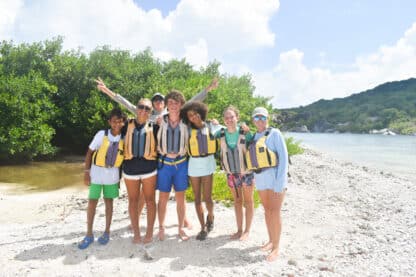
For teens serving as a mangrove volunteer, this unique environment provides the perfect classroom- a hands-on experience where they can contribute directly to real conservation efforts. Through our program, these young environmentalists can take part in meaningful restoration work and help build a brighter (and greener) future!
The Ecological Superpower of Mangrove Forests
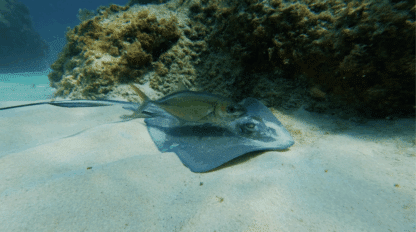
Mangroves are more than just mere plants; they are the heart of the Caribbean’s ecosystem. Their tangled roots in the water provide a safe and protected nursery for fish, sharks, and other small invertebrates before they head out into deeper and more exposed waters.
Their big, long roots act as a natural water filter by trapping sediment and water pollutants before they reach the Caribbean’s valuable coral reefs. But it doesn’t just stop there, their roots also absorb wave energy which helps reduce erosion in the surrounding area and protects these coastal communities from storms.
Hands-On Conservation: What a Mangrove Volunteer Does
By serving as a mangrove volunteer, students are actively helping restore these vital Caribbean forests. Each volunteer takes part in a number of conservation tasks that help contribute to sustaining a healthy environment for the mangroves. Listed below in the table shows exactly what each of those tasks are and the ecological benefit they provide.
| Conservation Task | Ecological Benefit |
| Propagule Collection & Planting | Cultivating new mangrove trees to restore damaged coastal areas. |
| Coastal Cleanup | Removing plastics and debris that tangle in complex root systems. |
| Species Monitoring | Observing and recording data on the health of the surrounding marine habitat. |
As you can see, for a mangrove volunteer, restoring these forests is a hand-on way to support marine biodiversity, strengthen coastal resilience, and make a measurable difference in ocean conservation.
A Day in the Mangroves: Restoration in Action
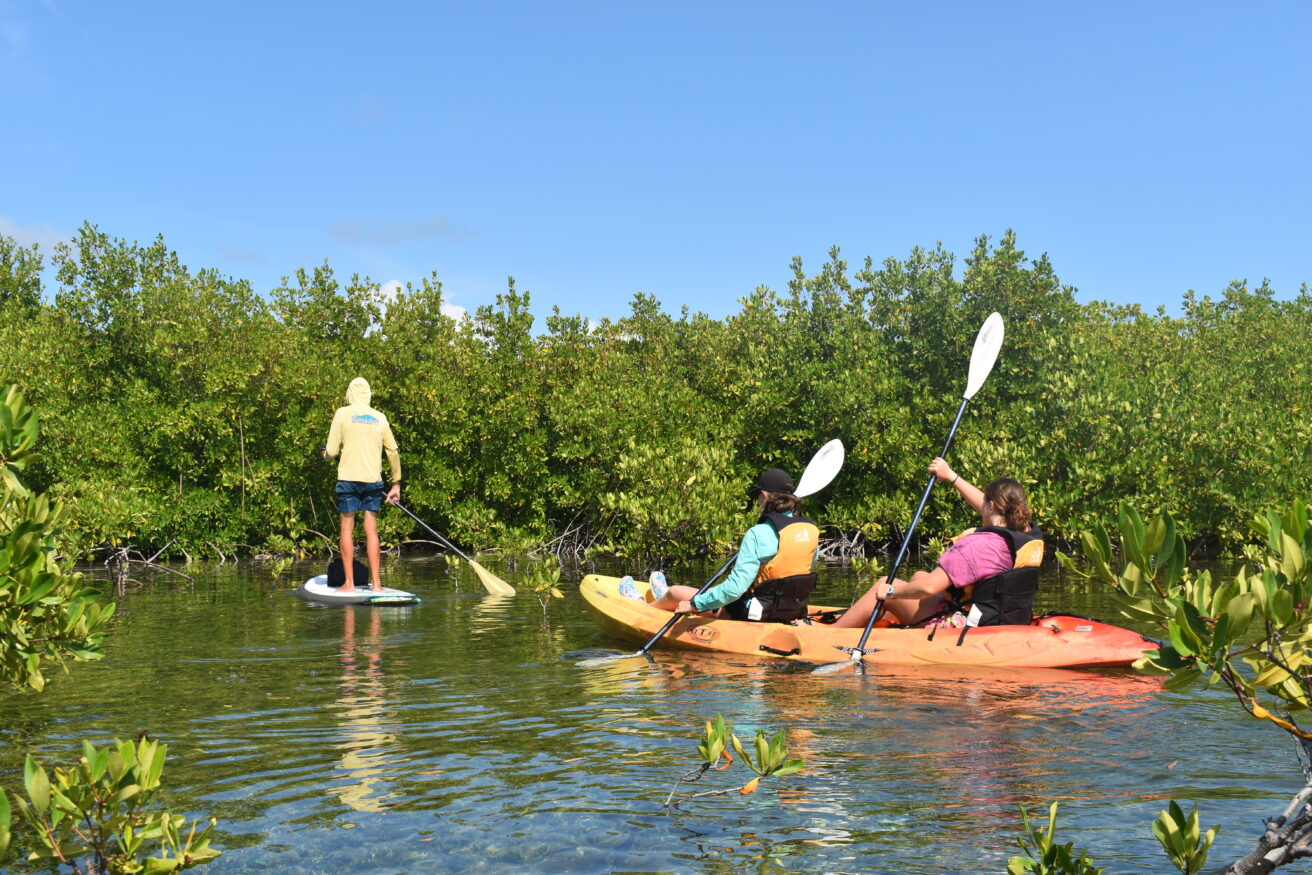
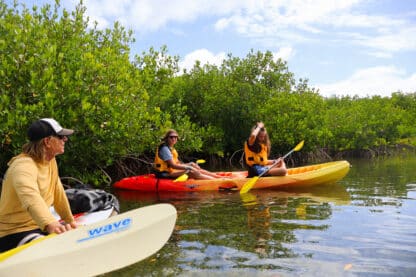
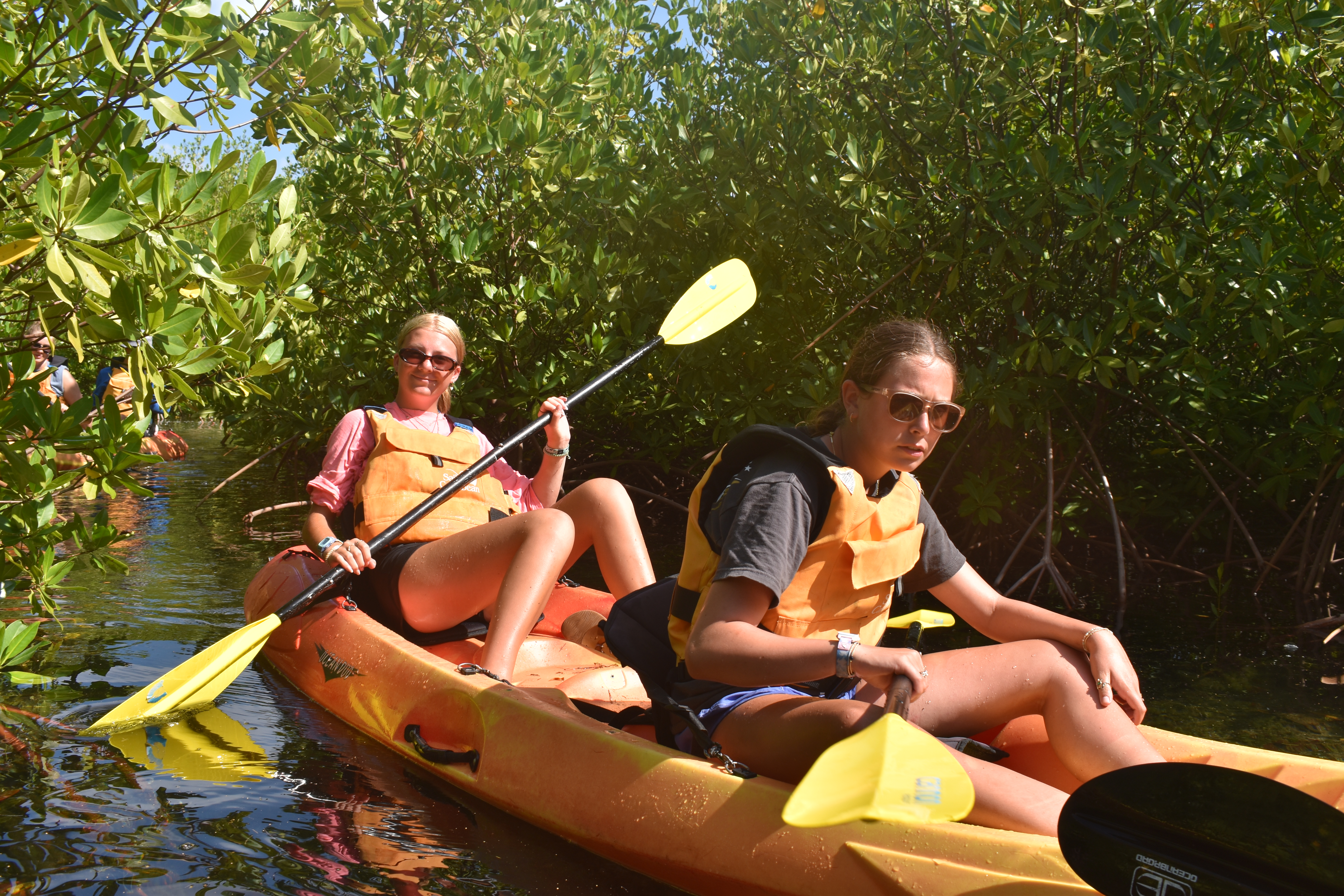
A day volunteering in the mangrove forests offers teens a hands-on introduction to Caribbean mangrove conservation. At Trellis Bay, these students work together as a team to stealthily paddle through the mangroves without hindering the delicate ecosystem.
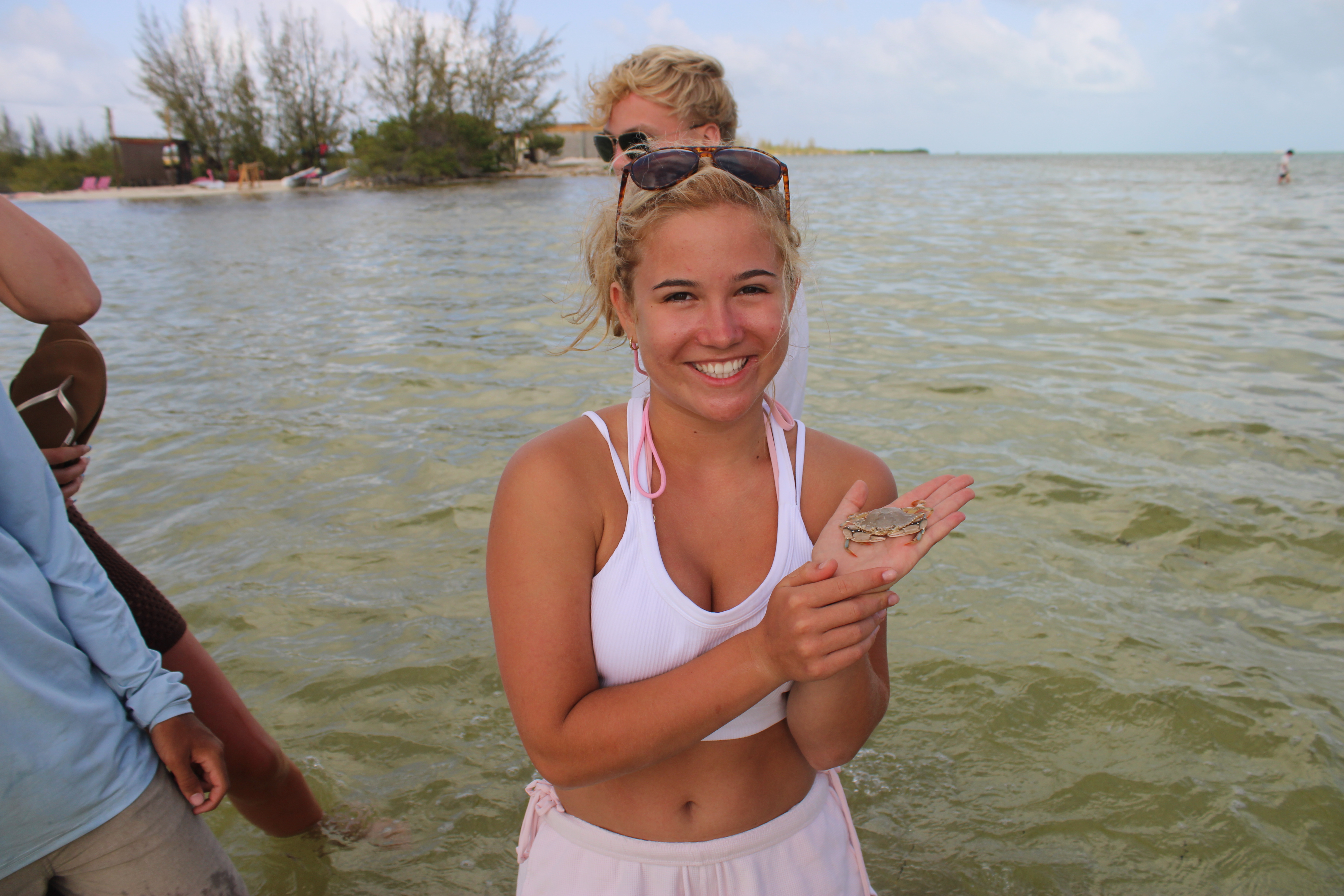
Engaging in these BVI coastal restoration activities allows campers to gain a firsthand understanding of marine biology and the importance a single species has on its surrounding environment.
Planting and Restoration
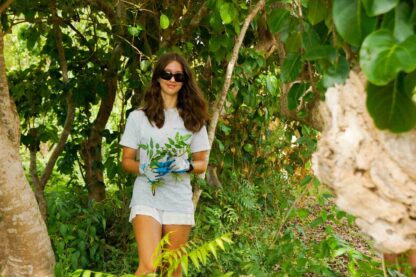
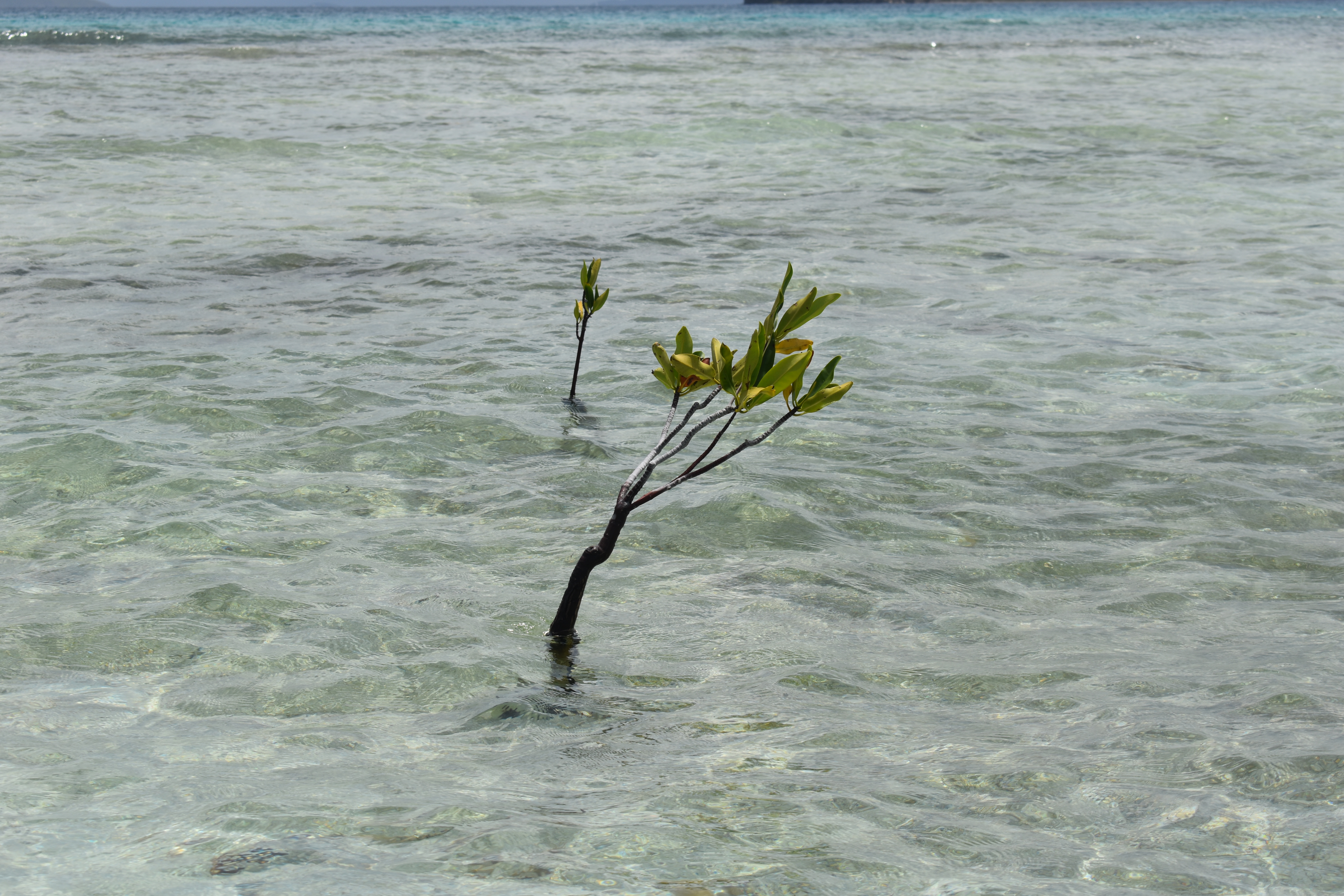
Mangrove restoration gives students the opportunity to get their hands dirty while learning how to properly protect and preserve these coastal ecosystems.
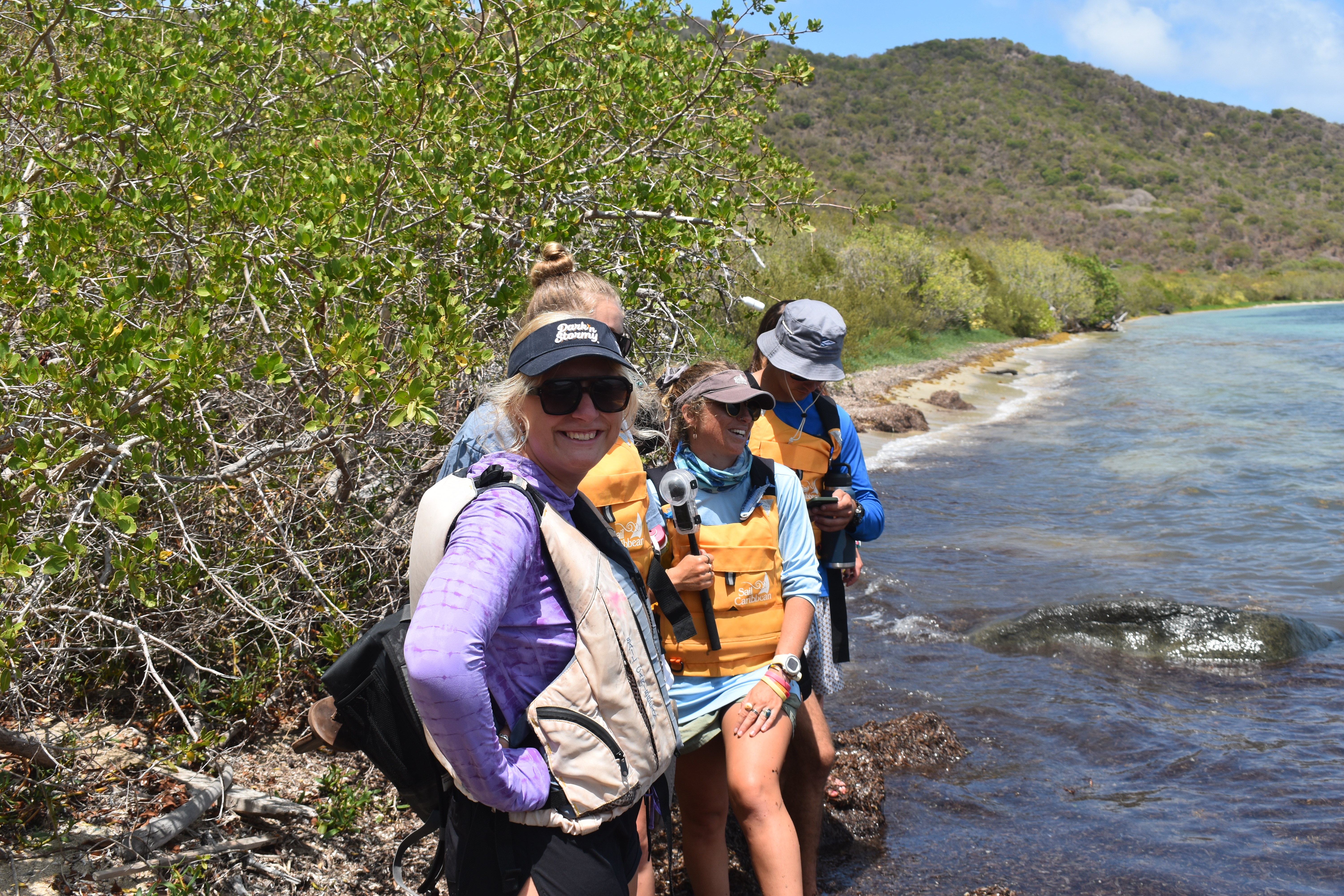
With guidance from local marine biologists, teens learn how to identify the different types of mangroves in the Caribbean (i.e., red, white, black, and buttonwood), along with how to spot healthy mangrove propagules and how to determine the best locations for planting them.
Ecosystem Monitoring and Cleanup
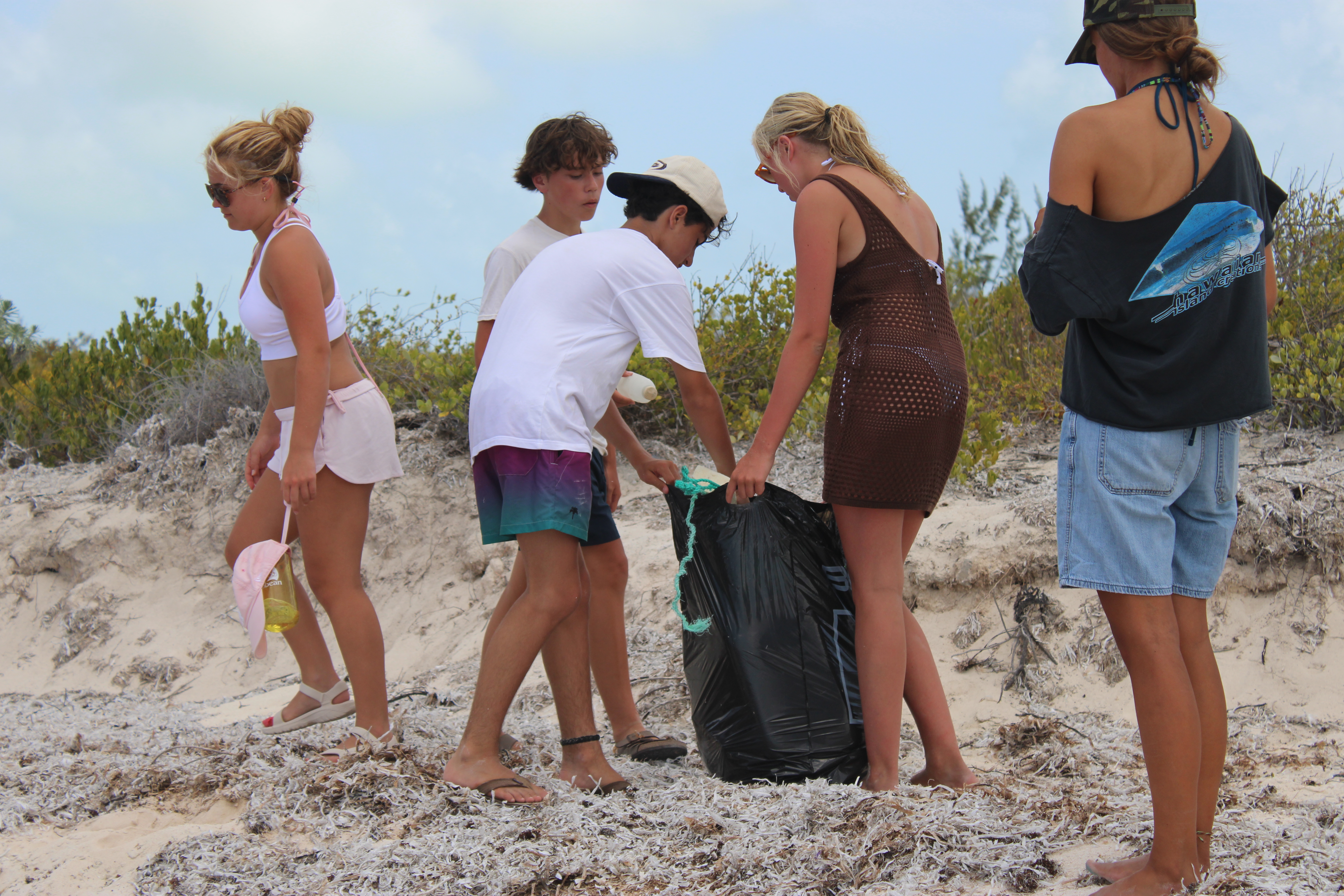
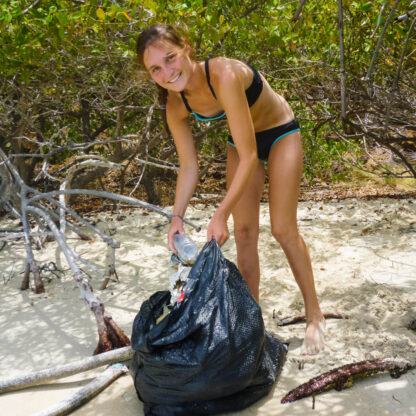
Beyond planting trees, campers get involved by monitoring and caring for the mangrove ecosystem. They roll up their sleeves and participate in a beach clean of the surrounding area. They work together to carefully collect trash and debrief from the delicate roots without damaging the ecosystem.
By doing so, campers are helping contribute to a greener and brighter future for our oceans and coastal ecosystems! Through these efforts, campers see firsthand how even small actions can make a meaningful difference in protecting our marine environments.
From Volunteer to Ocean Advocate
From volunteer to ocean advocate, campers leave with more than just muddy feet- they leave with a deeper understanding about how deeply our oceans and land are connected. The unique and immersive environment in the BVI fosters a greater appreciation for coastal ecology and the importance of protecting these fragile ecosystems.
Our Sierra and Foxtrot marine biology programs, empower young environmentalists to become stewards of the ocean and inspire them to carry that passion for conservation far beyond their time in the BVI.
Become a Mangrove Volunteer This Summer
Ready to make a difference this summer? You don’t have to wait until college to get hands-on experience in marine biology and conservation. Join Sail Caribbean and turn your passion for the ocean into real-world action through meaningful environmental work, teamwork, and adventure in the BVI. Explore our Marine Biology and Community Service programs to find the perfect fit for your summer and start making an impact today!
FAQ: Becoming a Mangrove Volunteer in the Caribbean
Fortunately, the mangroves are just one of our many opportunities to earn community service throughout the program. Foxtrot 21-day and Sierra 21-day programs earn far more service hours (20-30), and Foxtrot and Sierra 14-day programs will receive 15-20 hours. Meanwhile, our more general programs will receive 3-5 hours.
Everything you’ll need for a mangroves tour, you’ll already have onboard your vessel. Life jackets are provided by Sail Caribbean, along with kayaks and paddles. Most students wear a bathing suit, sun shirt, and lots of sunscreen to get the most out of the experience!
Alex Dick-Reed, a local naturalist, takes our students on a kayak trip through the Mangroves on Beef Island. He explains the importance of this unique environment, its history, and the external factors that negatively affect it.