
You’re living on a yacht surrounded by clear blue water and coral reefs teeming with extraordinary sea creatures and plant life. You’ve got questions like: Why do corals grow in the Caribbean? Who eats who on a coral reef? What artificial reefs can we visit in the BVI? What can we do to preserve our aquatic environment?
We’ve got answers. It’s time to join the esteemed community of marine scientists! On all of our adventures you’ll have the opportunity to learn about and explore the underwater world. You’ll gain new knowledge in the field of marine biology.
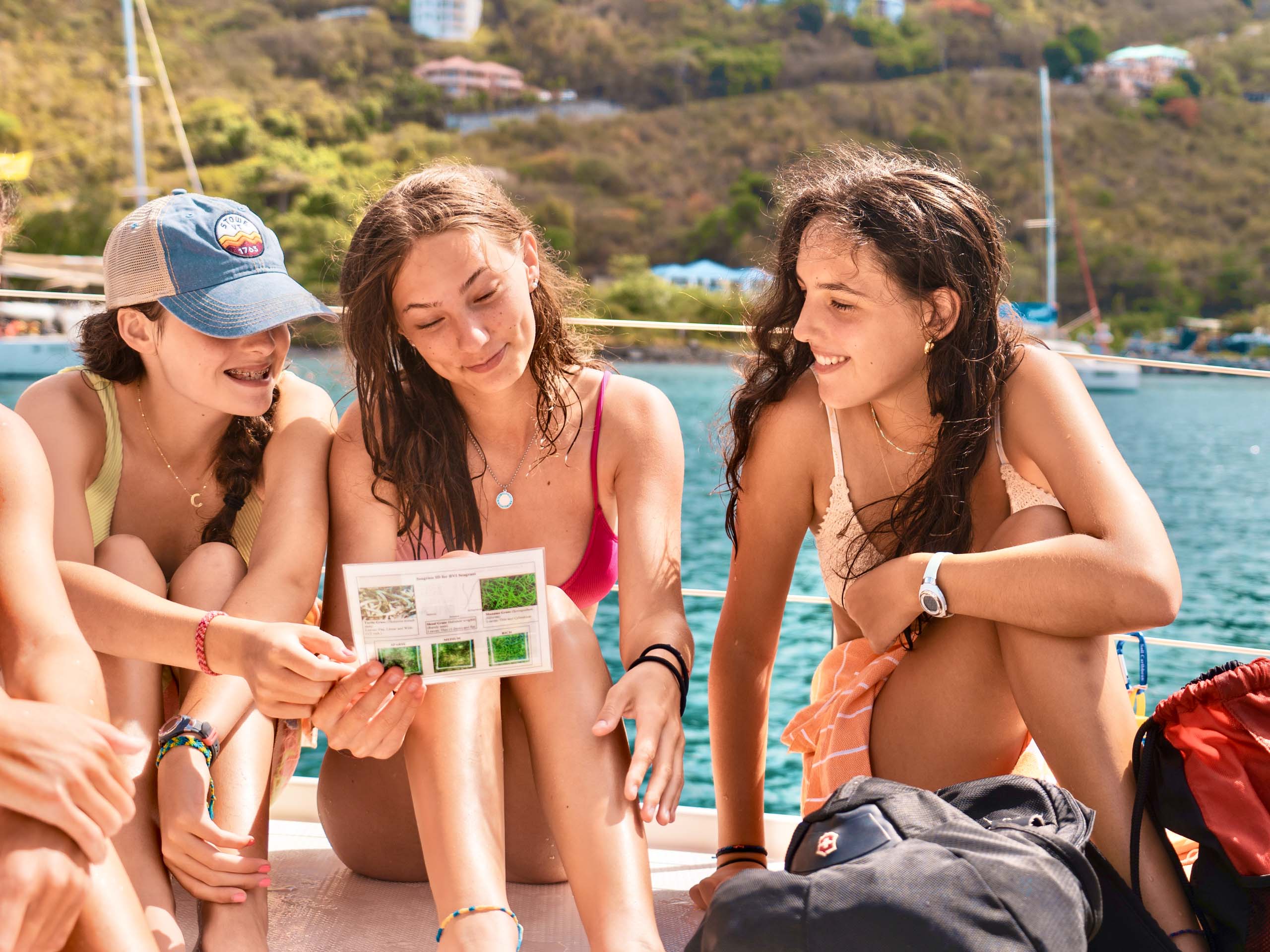
Our staff marine biologists give hands-on seminars 2-4 times a week. Topics of these seminars will be based on our curricula, Fringing Reefs of the British Virgin Islands and Guide to Marine Sciences of the Caribbean and include coral reef biology, reef ecology, artificial reefs, fish identification, and others. Guided night snorkels, beach hikes and collection workshops are all part of these stimulating marine science seminars. These learning opportunities are built in and around the regular program activities so there’s still plenty of time for beach days, watersports, and island exploration. At the end of your adventure, you will have a better understanding of the ocean and the interactions you have with it.
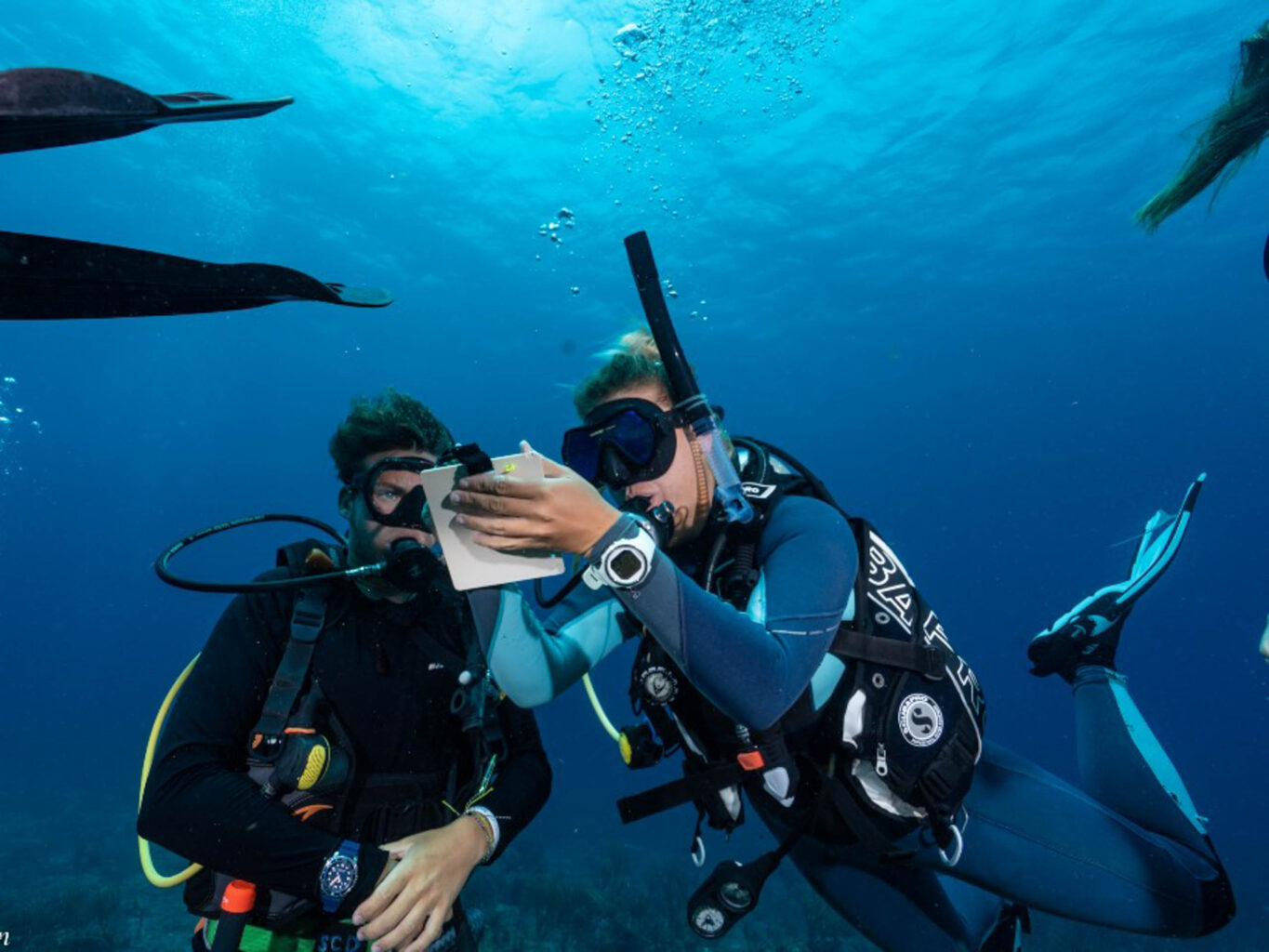
You’ll be surrounded by some of the most beautiful marine environments in the world so there’s no better time to learn about what’s going on beneath the surface! Our Marine Science Instructors deliver exciting, hands-on seminars on the topics that you and your crewmates are most curious about! All of our adventures give you the opportunity to learn about and explore the underwater world.
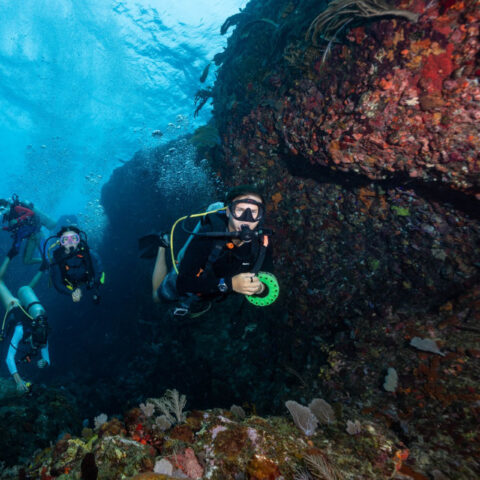
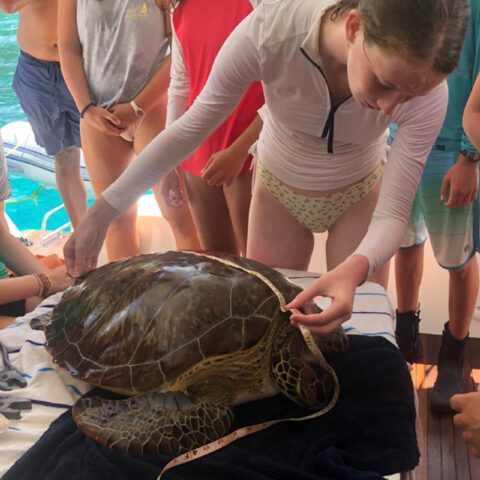
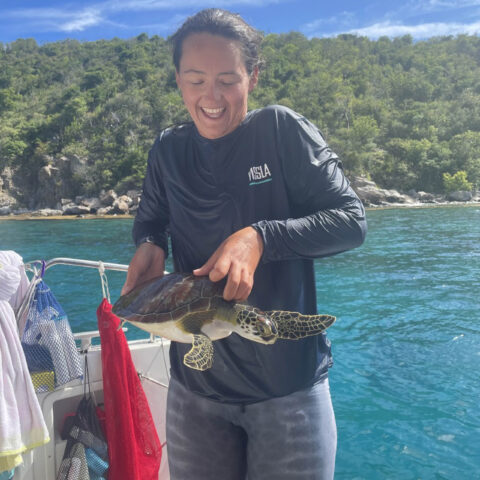
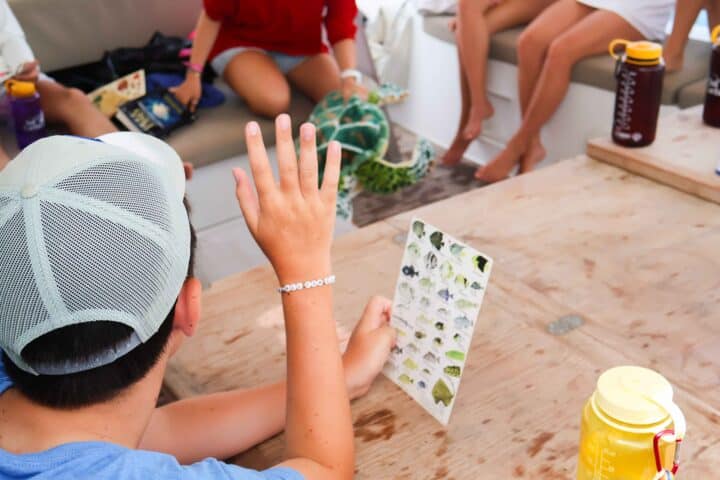
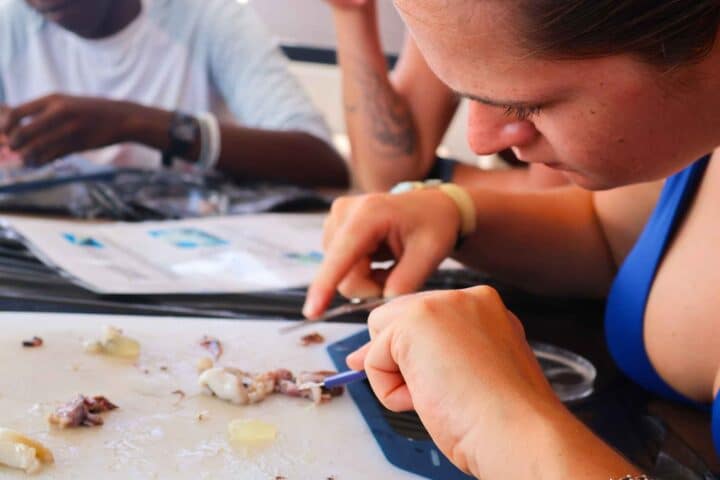
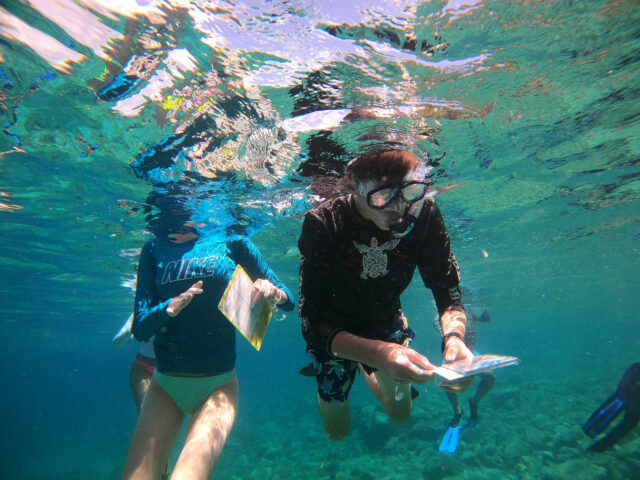
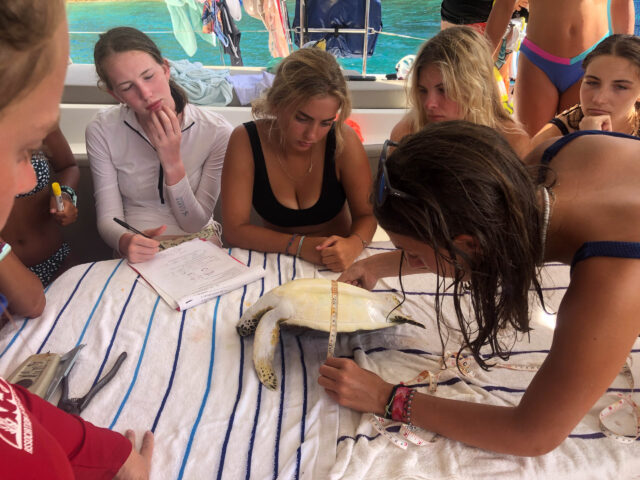
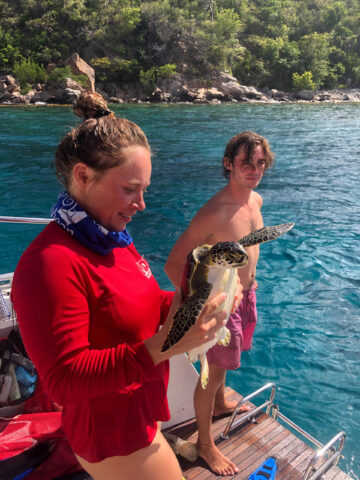
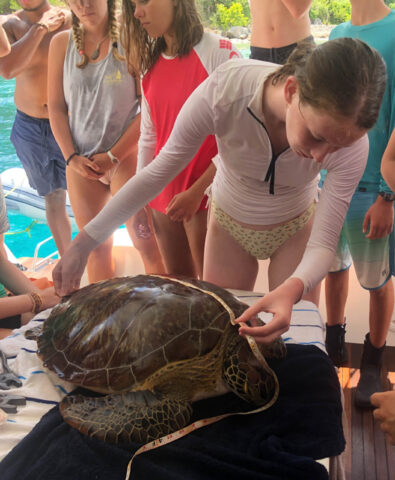
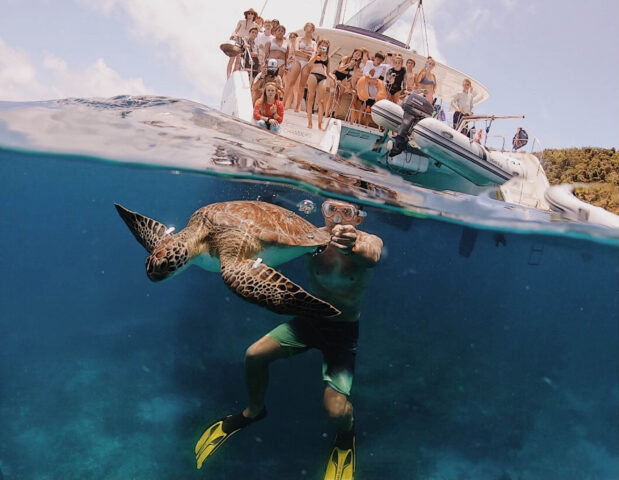
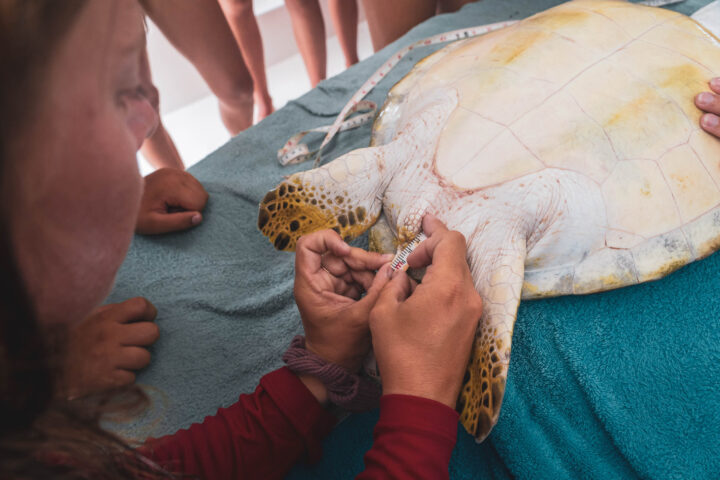
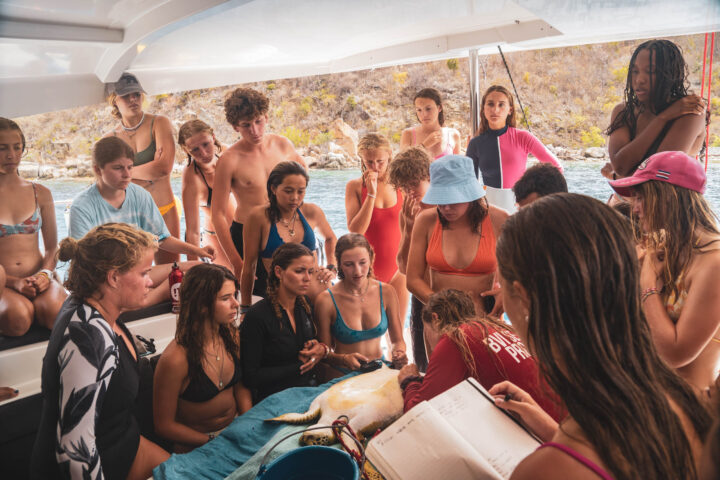
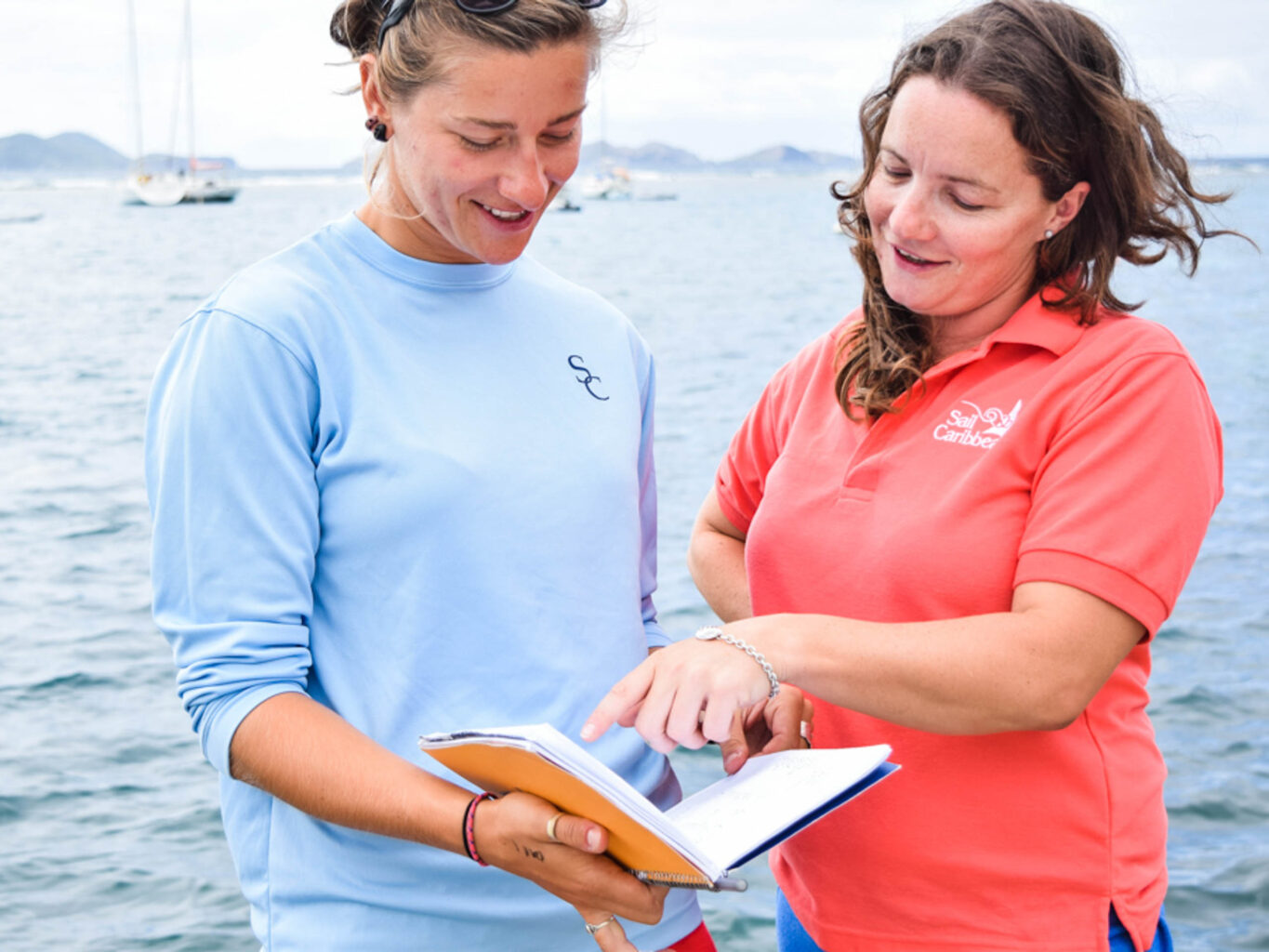
You can earn academic credit by working with marine scientists on exciting hands-on research projects, field studies and by participating in dynamic discussions. The surrounding coral reefs, mangroves and shallow water habitats will be your laboratory as you collect data on water quality, plankton abundance, coral health and tropical fish abundance.
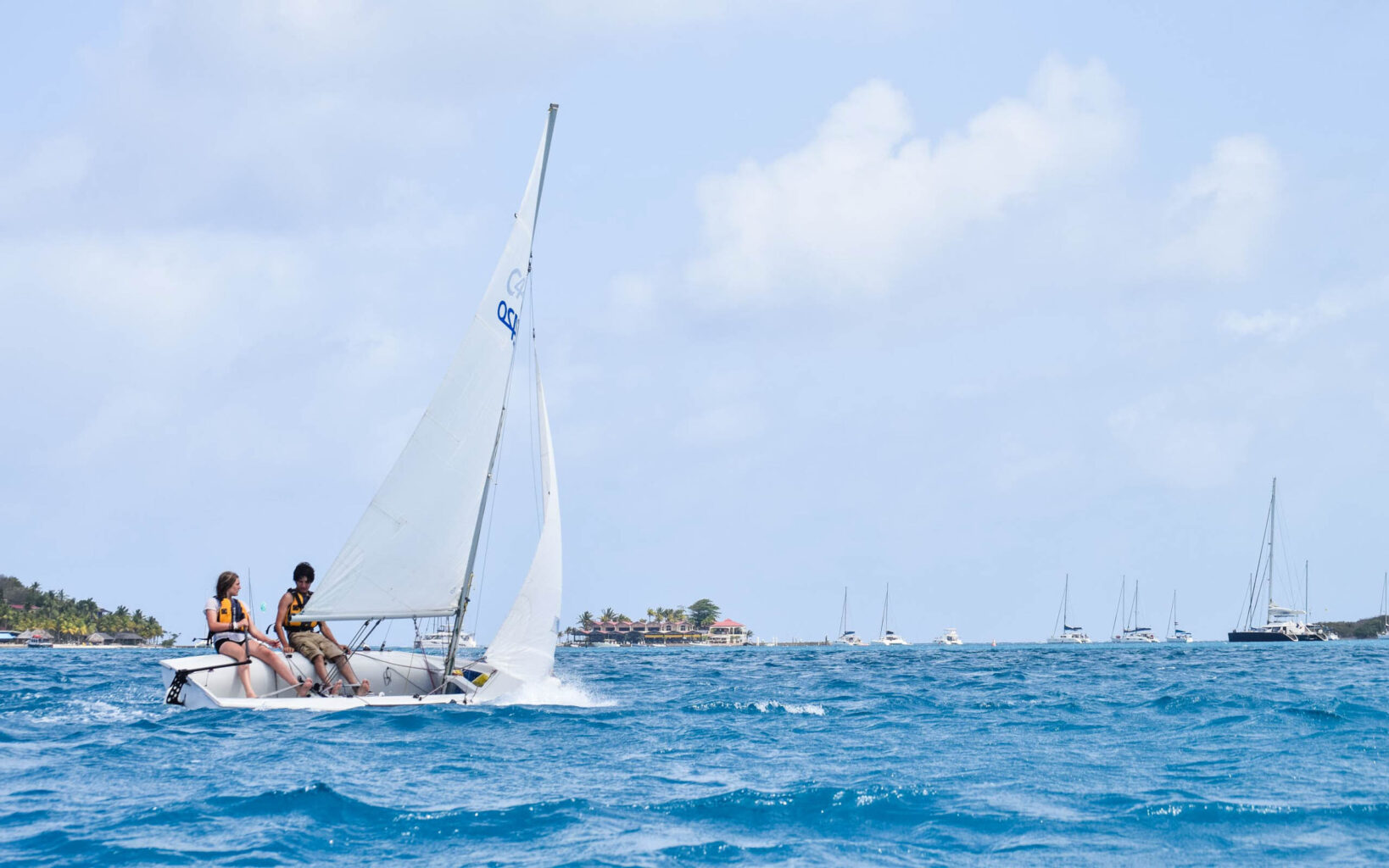

Marine Science at Sail Caribbean combines core ecological concepts with hands-on exploration across coral reefs, seagrass beds, mangroves, and open-water environments.
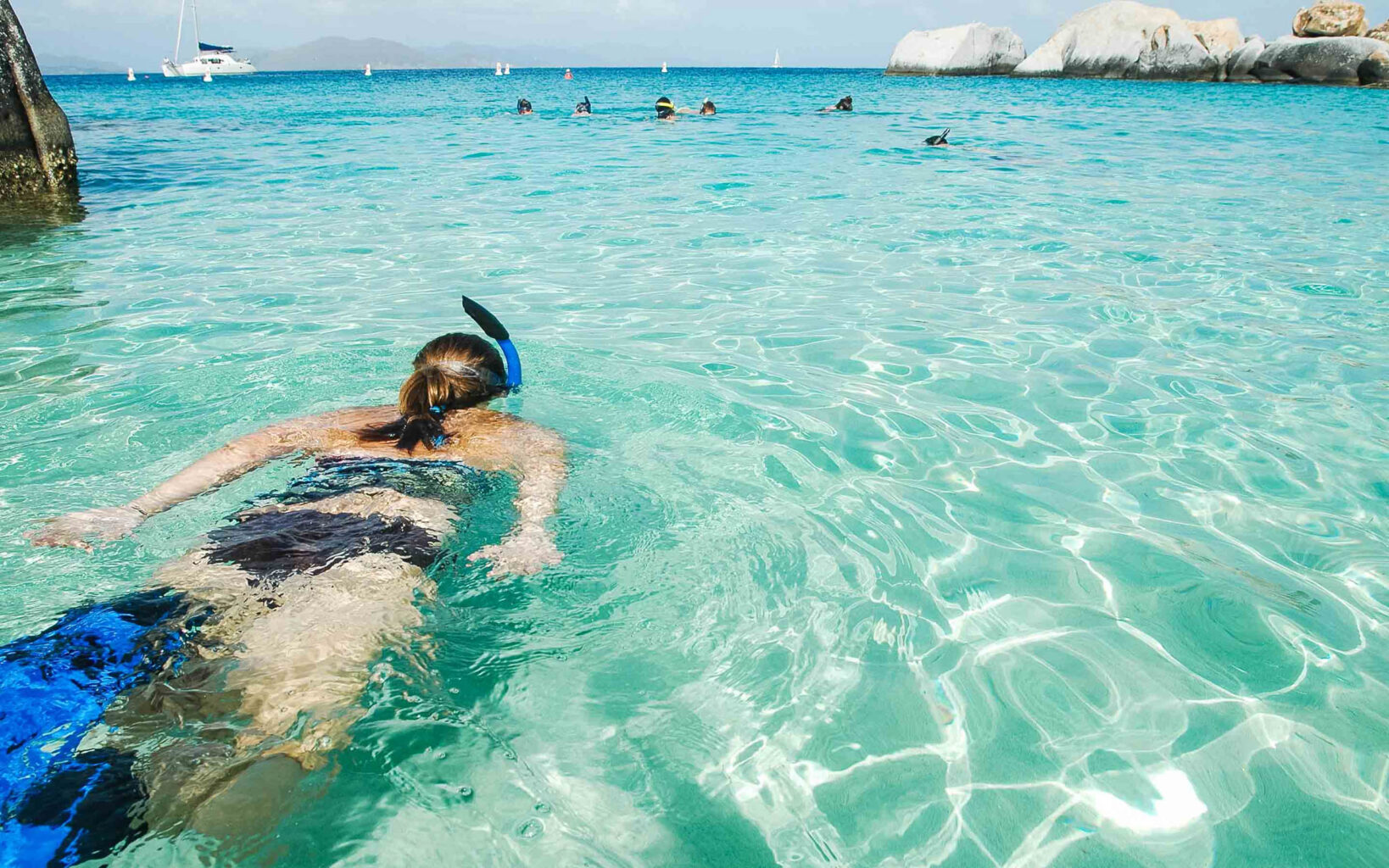
All students will participate in marine science lessons throughout the program, paired with guided snorkeling activities and experiences showcasing the diverse underwater world in the British Virgin Islands.
Sierra students (dedicated Marine Science Program) dive into a wider range of topics, including coral reef ecology, fish and invertebrate identification, nocturnal adaptations, shark biology, sea turtles, plankton, ocean conservation, regional geology, and more. Seminars deliver engaging, interactive, and relevant background knowledge while preparing students for applied field science and in-water exploration. These lessons come to life through guided snorkels, scuba dives, ecological surveys, data collection, and immersive field trips. Throughout the program, the curriculum emphasizes scientific skills, environmental stewardship, and the joy of discovering the marine world through authentic, hands-on experiences.
A typical day in the Marine Biology program balances structured marine science learning with the full experience of life aboard a Sail Caribbean boat.
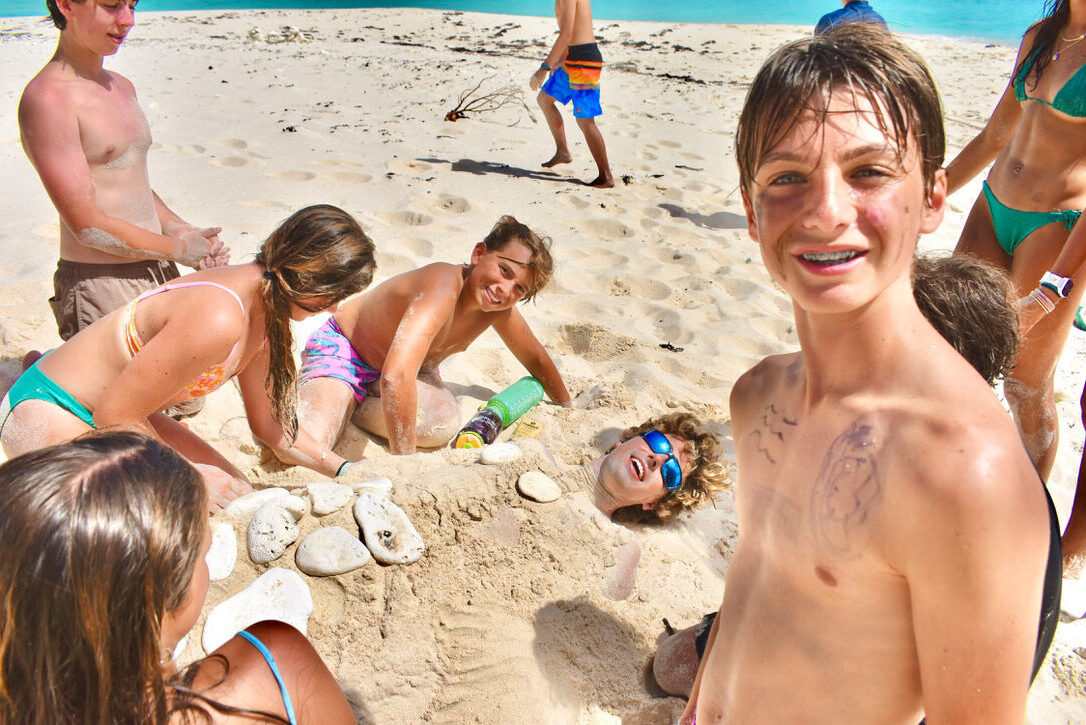
Most days, students will follow the general onboard routine: meals, crew responsibilities, and sails. For the general fleet, certain moorings, docks, and anchorages feature opportunities for marine science lessons and experiences. All students will be able to participate in snorkels, sessions with Marine Science instructors, and have the opportunity to see their favourite sea critters in action!
Sierra students participate in more frequent and focused lessons, snorkels, data collection, or field activities. These sessions might include fish identification snorkels, CoralWatch surveys, turtle tagging, plankton tows, or invertebrate hunts, typically lasting 1-2 hours and designed to bring the concepts from seminars to life. Evenings return to normal boat life: cooking dinner together, games, sunset swims, or occasional night lessons like bioluminescence swims or dockside nocturnal adaptation walks.
Throughout the trip, Sierra students also join special field trips and cross-boat sails with other Sierra students, providing dedicated time for seminars, experiences across the Islands, data collection, and analysis.
Marine biology seminars and fieldwork at Sail Caribbean are taught by a diverse team of instructors from around the world, including marine science students, dive professionals, conservationists, and experienced educators. All instructors are strong science communicators and competent, safety-focused water people with skills in snorkeling, diving, and supervising students. Many bring hands-on experience in research, ecological surveys, and conservation projects, and they serve as mentors who help students explore future pathways in ocean science.
The curriculum continues to evolve each year through updated guides and collaborations with researchers, local experts, and conservation groups. This blend of global expertise, local insight, and real-world field experience creates an authentic and inspiring marine science program.
All students in the fleet engage with marine science through snorkels, lessons, and experiences at selected anchorages and sites, while still enjoying the full Sail Caribbean sailing and camp experience. Sierra students participate in a more in-depth program and complete approximately 10 to 20 hours of dedicated marine science over the course of their trip, depending on program length. These hours include seminars, guided snorkels, surveys, data collection, and field trips, and are scheduled around the fleet’s sailing plan. Outside of these sessions, Sierra students are fully involved in day-to-day boat life, sailing between islands, joining beach activities, cooking with their crew, and enjoying all the social and adventure elements that make Sail Caribbean such a memorable experience