
Since 1979, we’ve empowered thousands of teens and college aged students who join our summer adventure camps to experience learning, leadership, & personal growth.
Sail Caribbean is not merely a once-in-a-lifetime sailing camp. Each individual program offers the opportunity to specialize in a specific area of experiential learning.
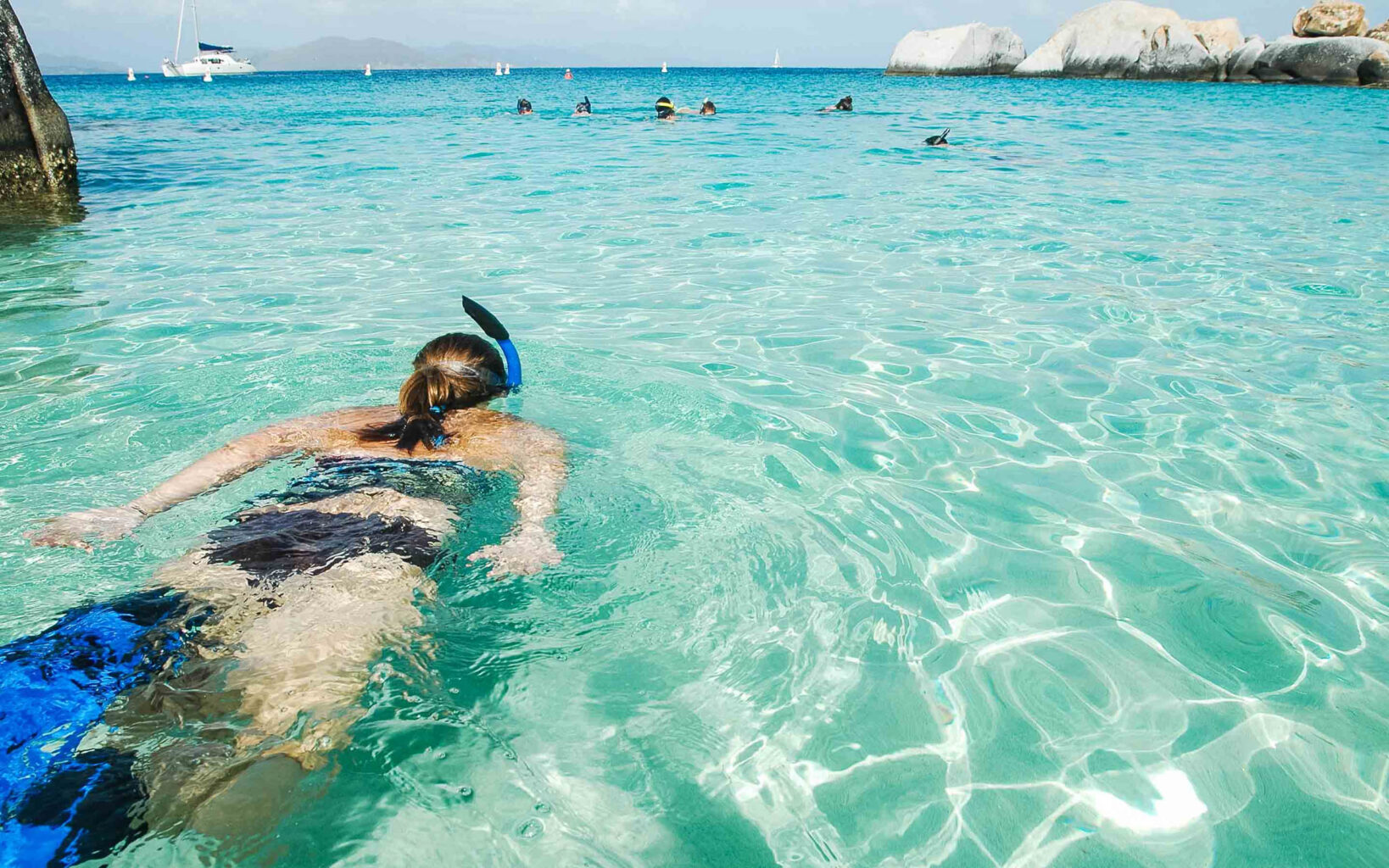
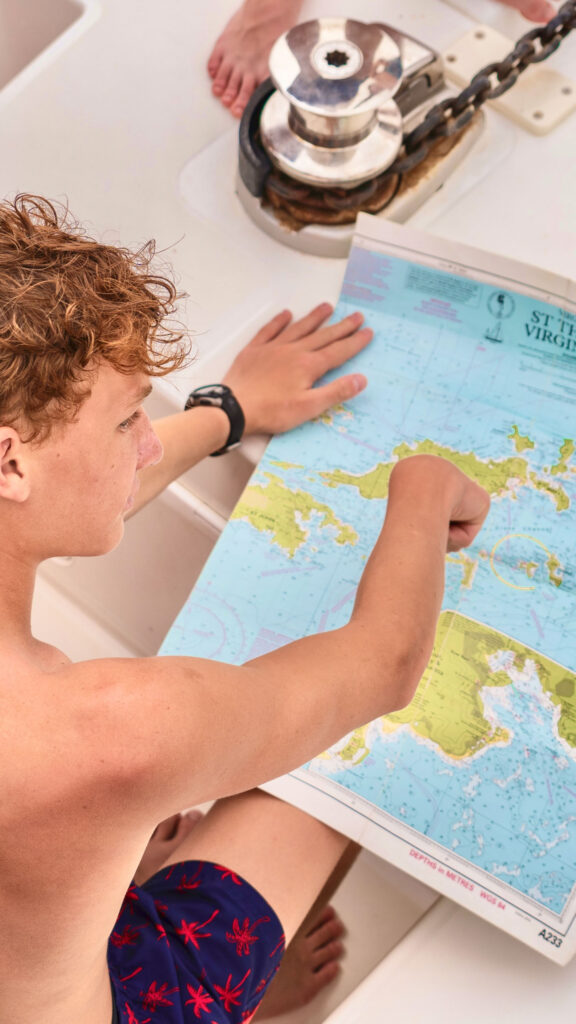
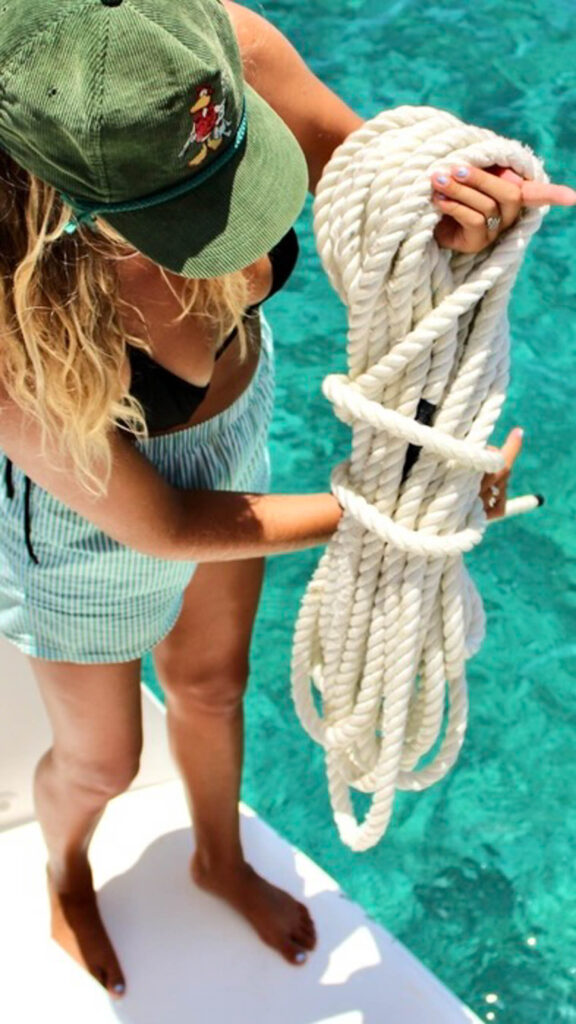
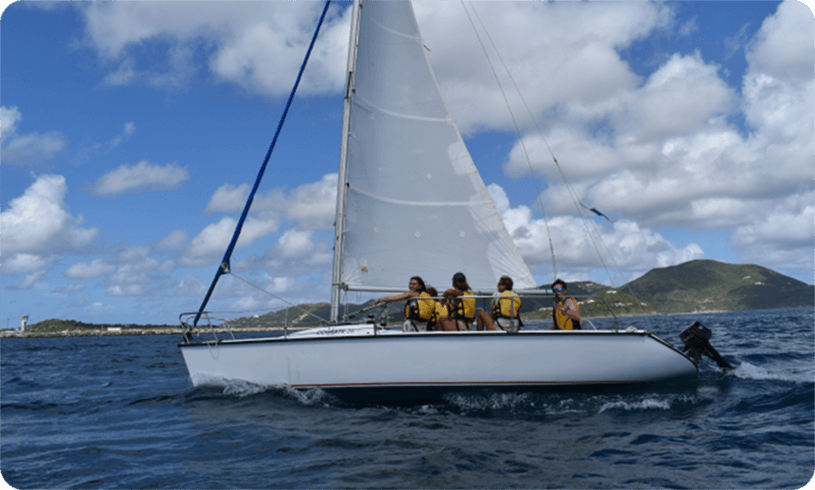
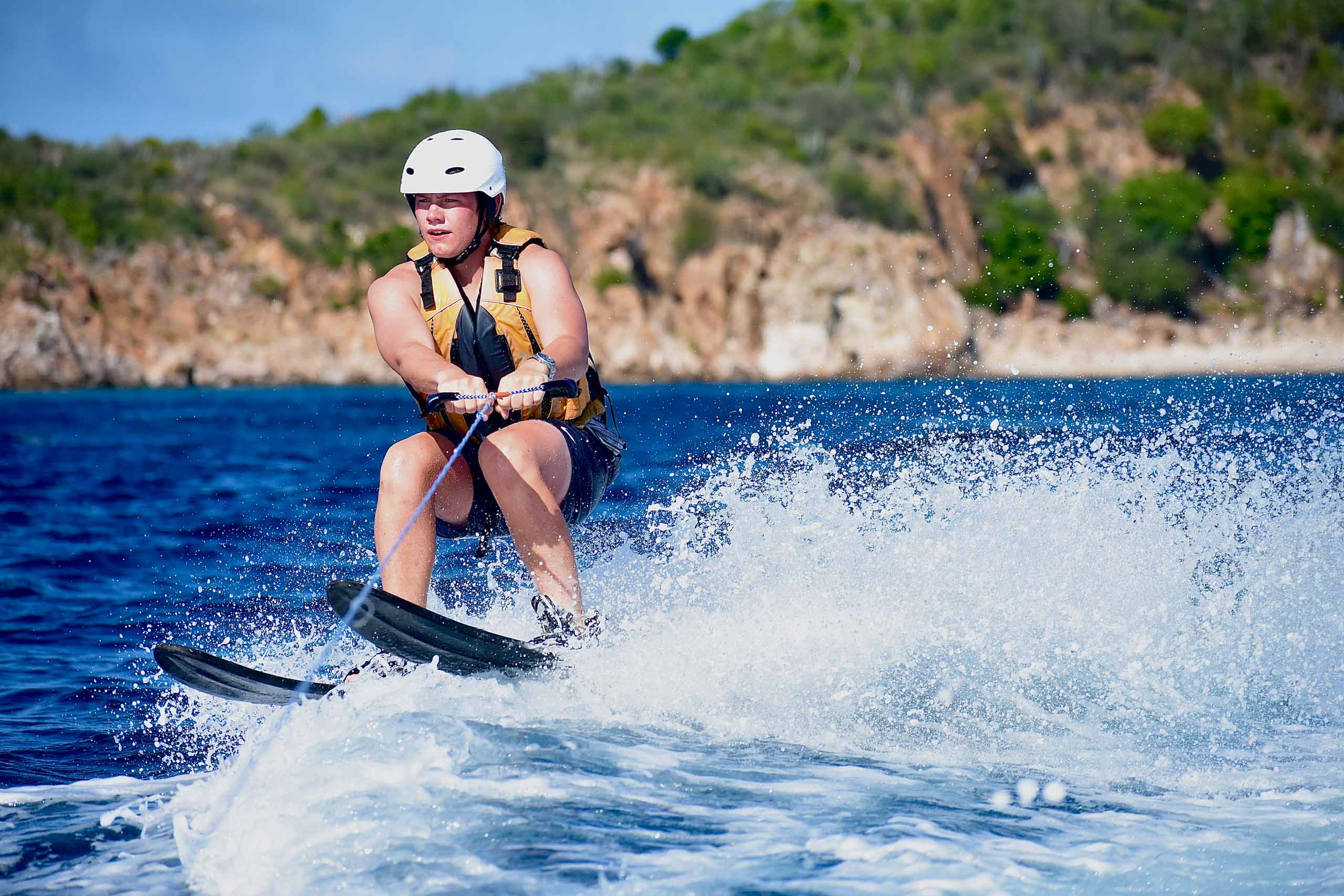
There’s no such thing as a passenger on a Sail Caribbean boat. You’re a sailor from the moment you step from dock to yacht. And not only are you a sailor, but you’re an athlete, too. Our options for watersports include snorkeling, stand-up paddleboarding, wakeboarding, tubing, waterskiing, kayaking, small boat sailing, and windsurfing.
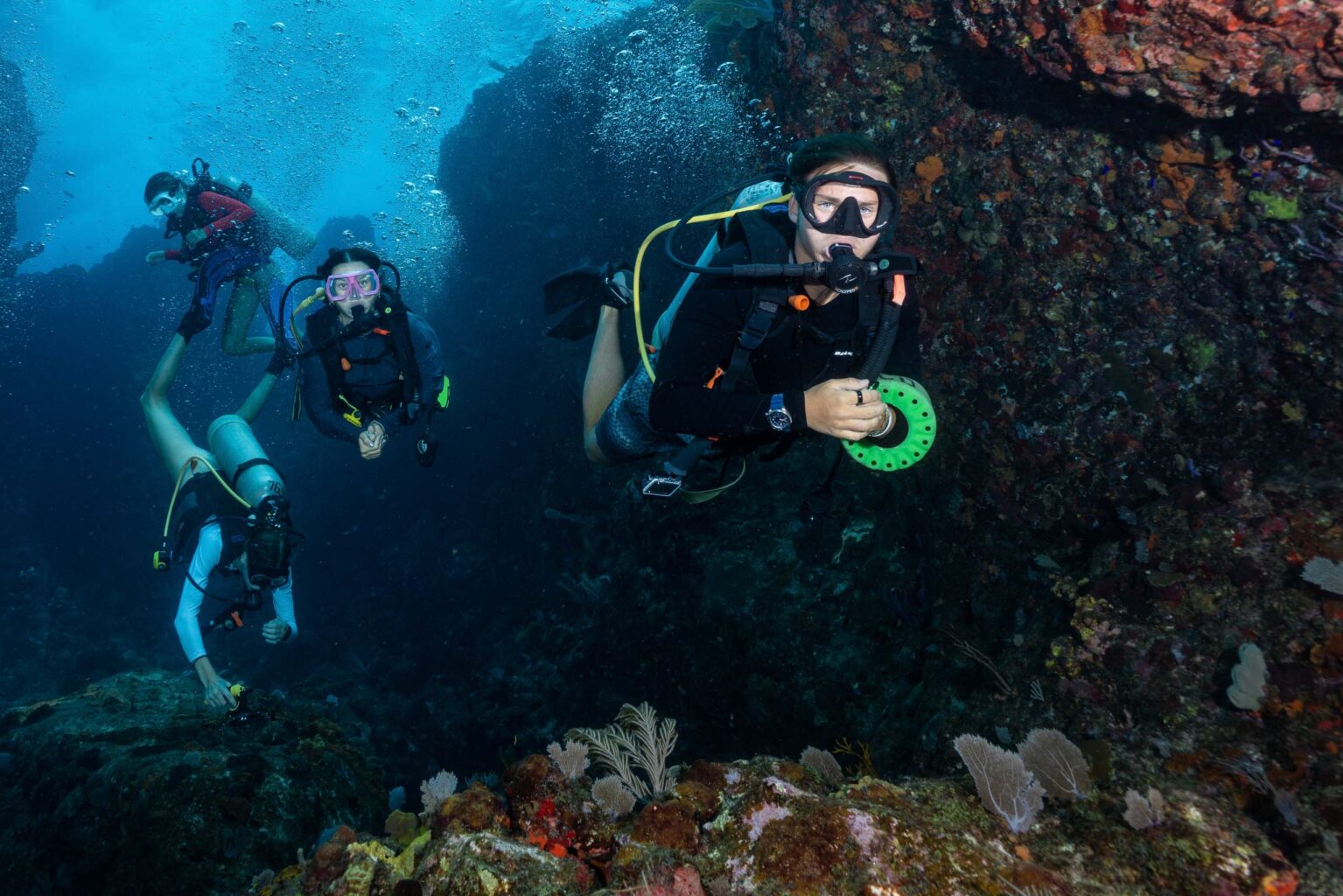
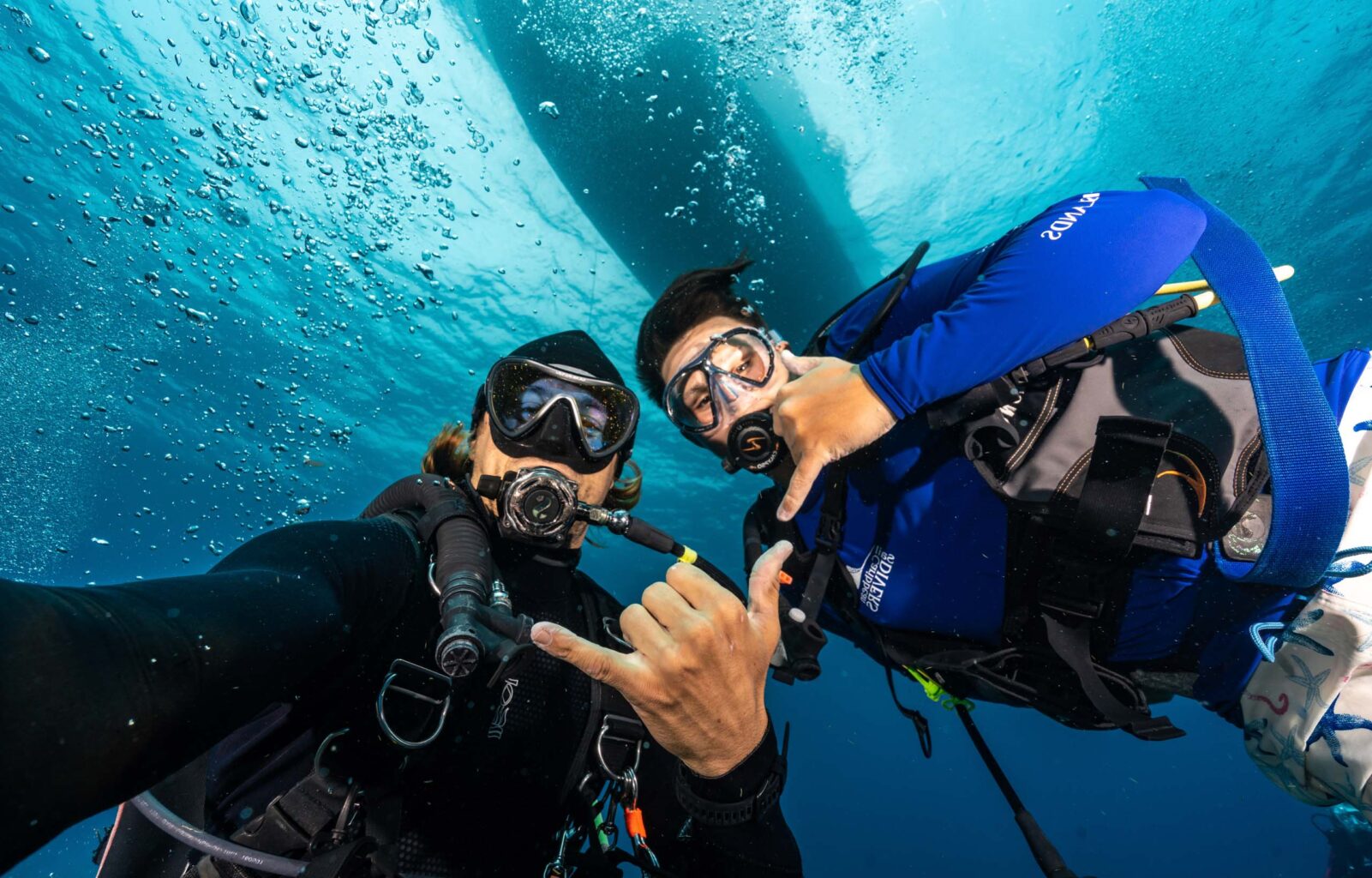
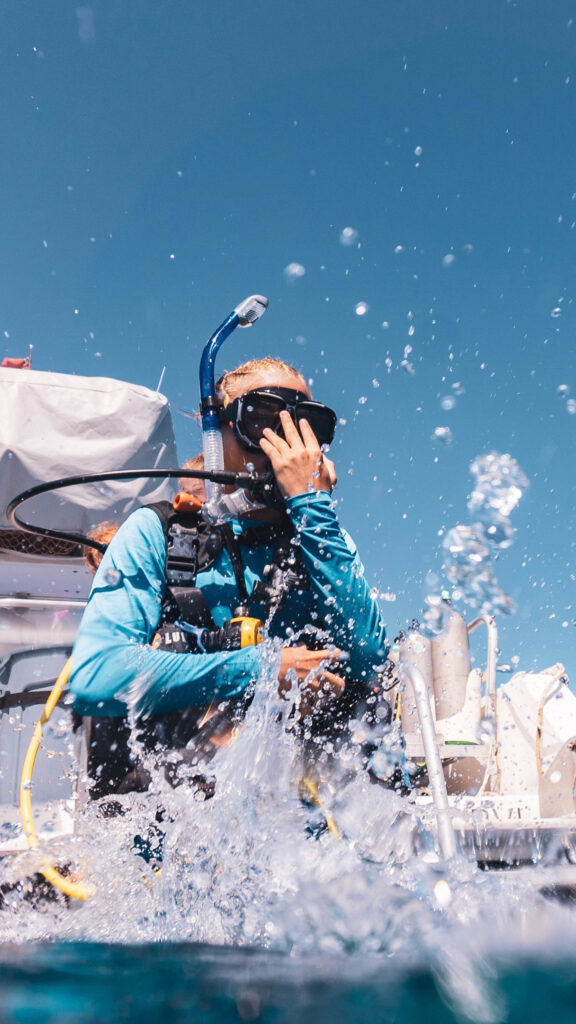
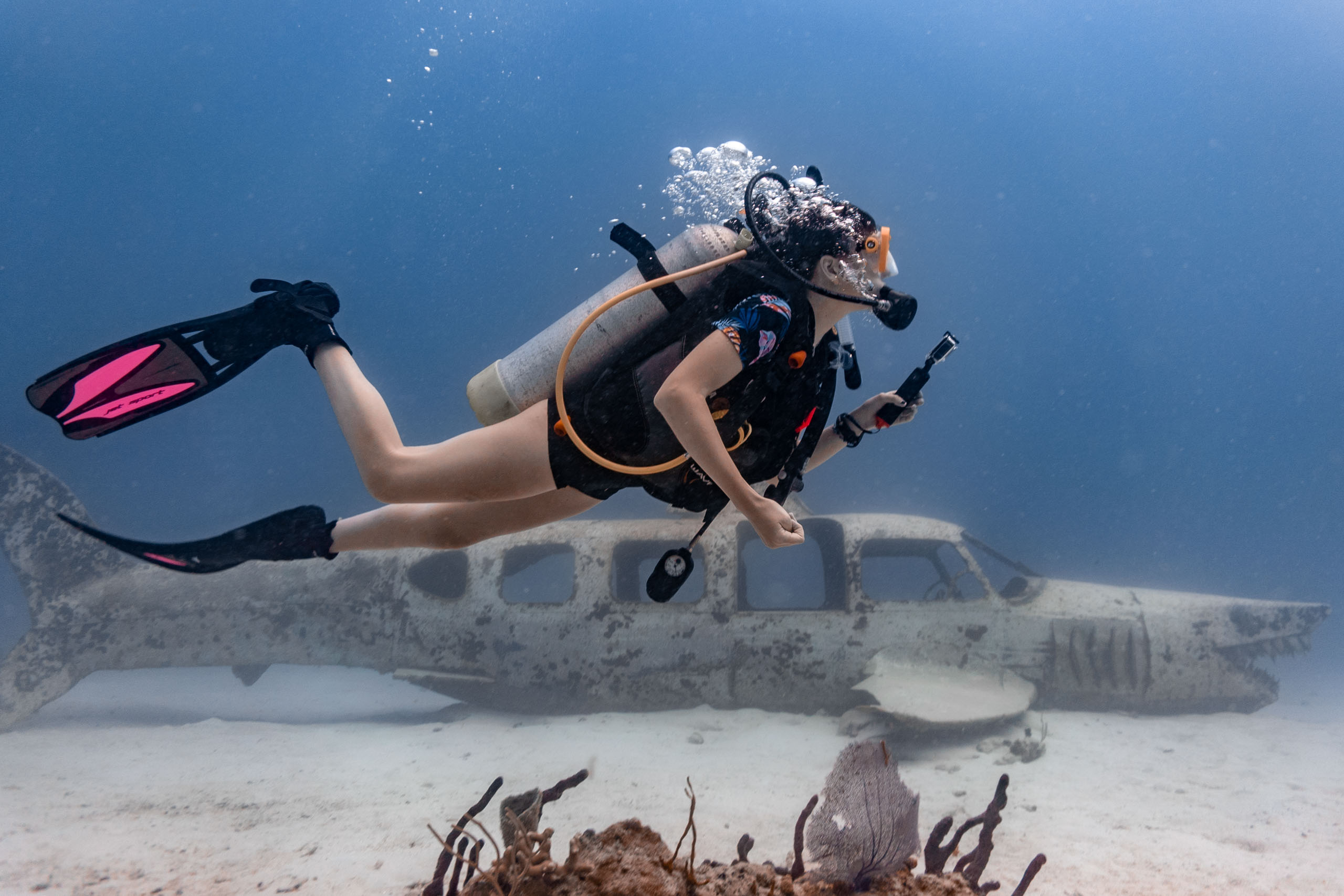
“Breathing” underwater is your ticket to a whole new realm. Unrestrained by gravity, you’re free to explore one of the most fascinating places on the planet. We’ll teach you everything you need to know.
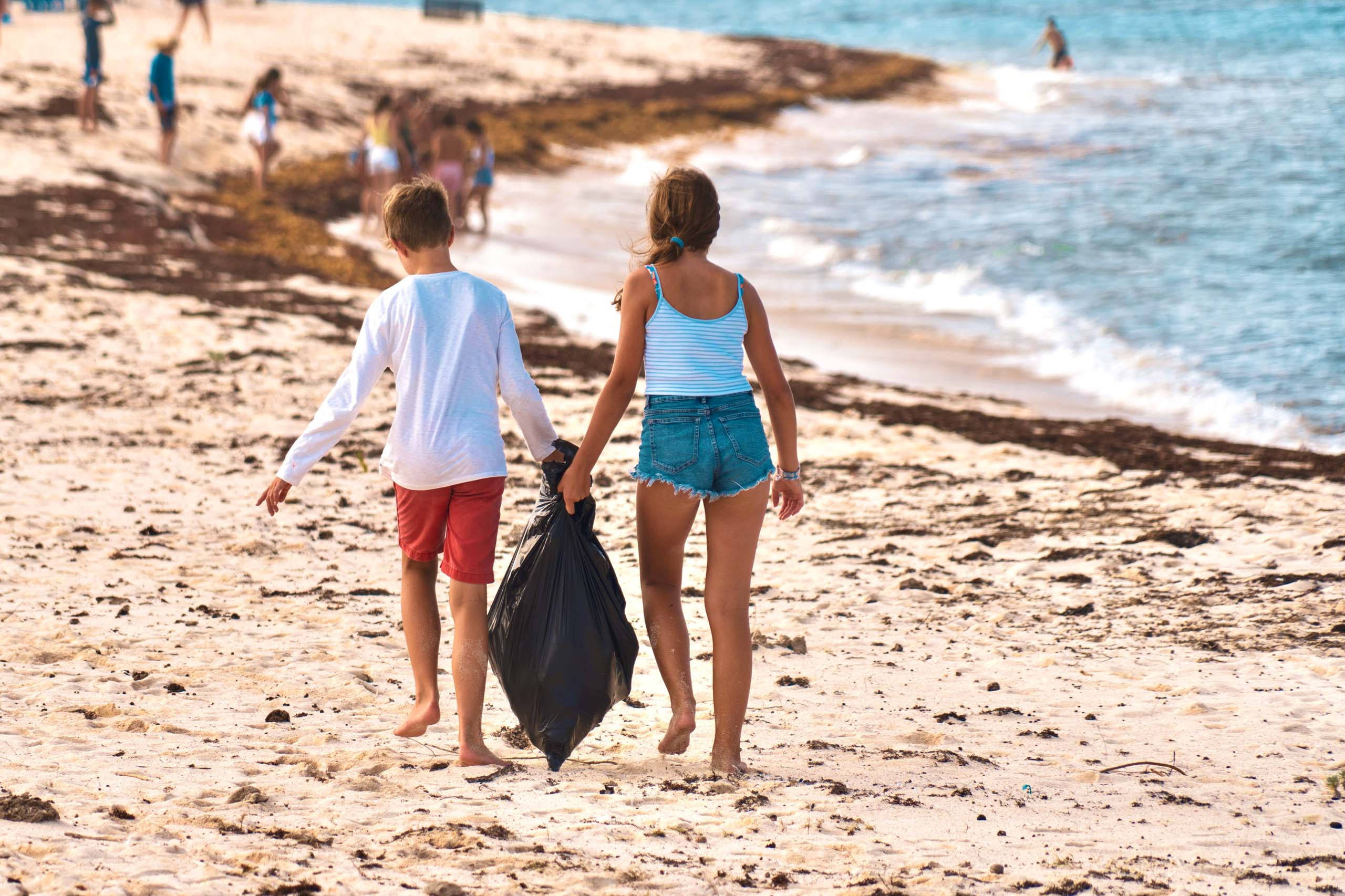
We visit some of nature’s most spectacular places, which is all the more reason to do something about protecting them! Acting as environmental stewards gives us the unique opportunity to contribute to local efforts in preserving these precious surroundings.
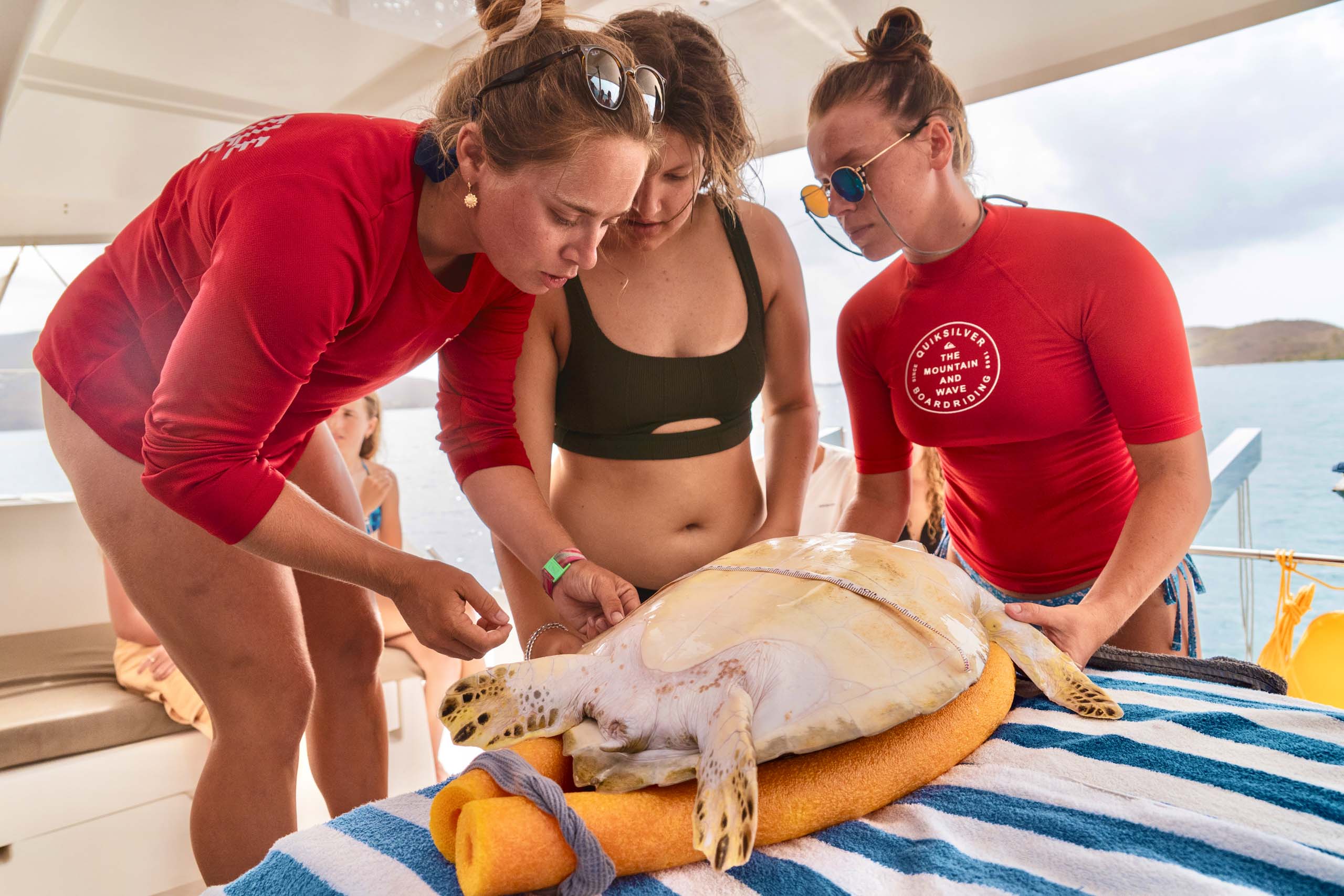
You’re surrounded by clear blue water and extraordinary aquatic life, and you’ve got questions: How do humans impact water quality? What affects fish biodiversity on coral reefs? How do diseases affect corals? We’ll help you find the answers.


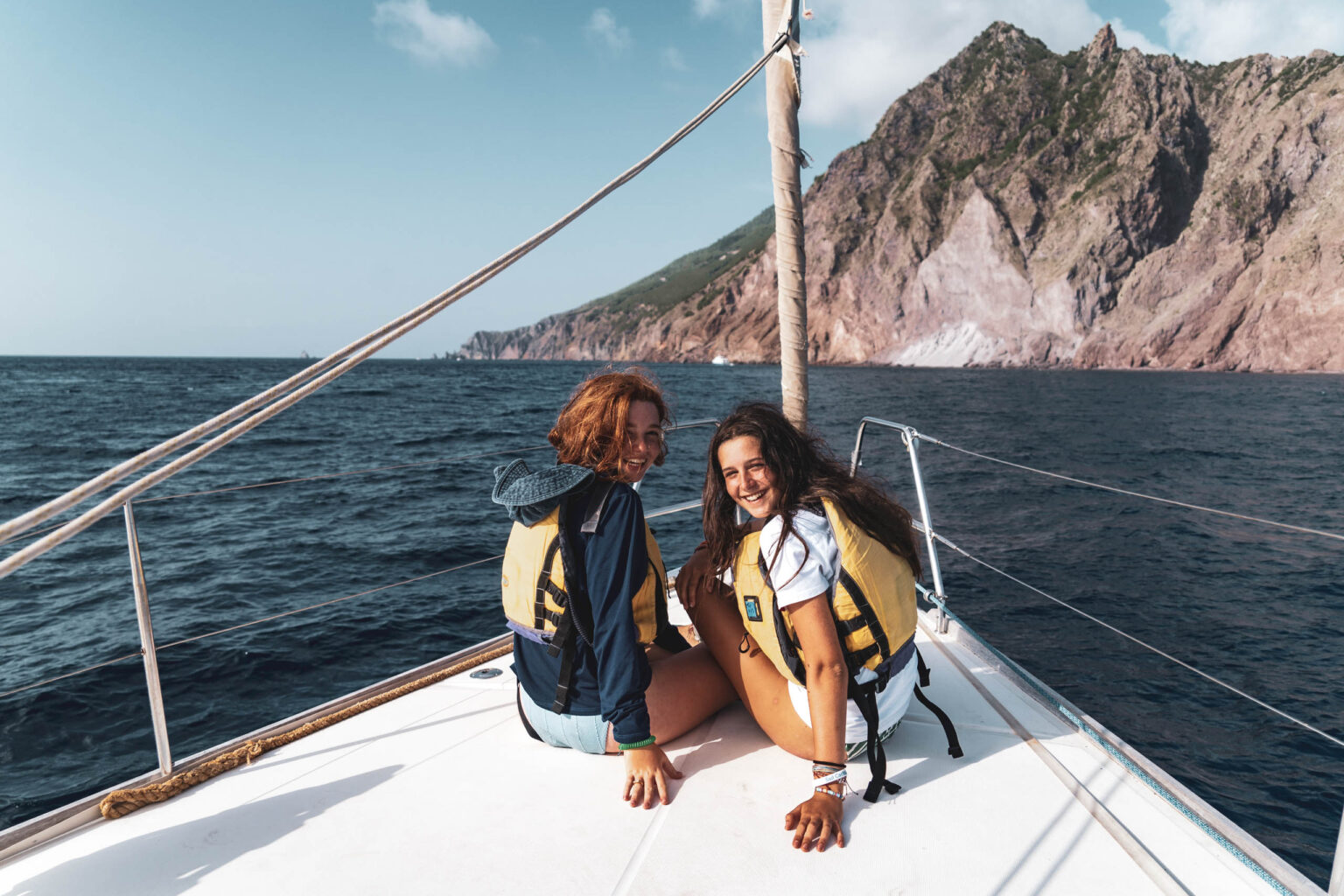


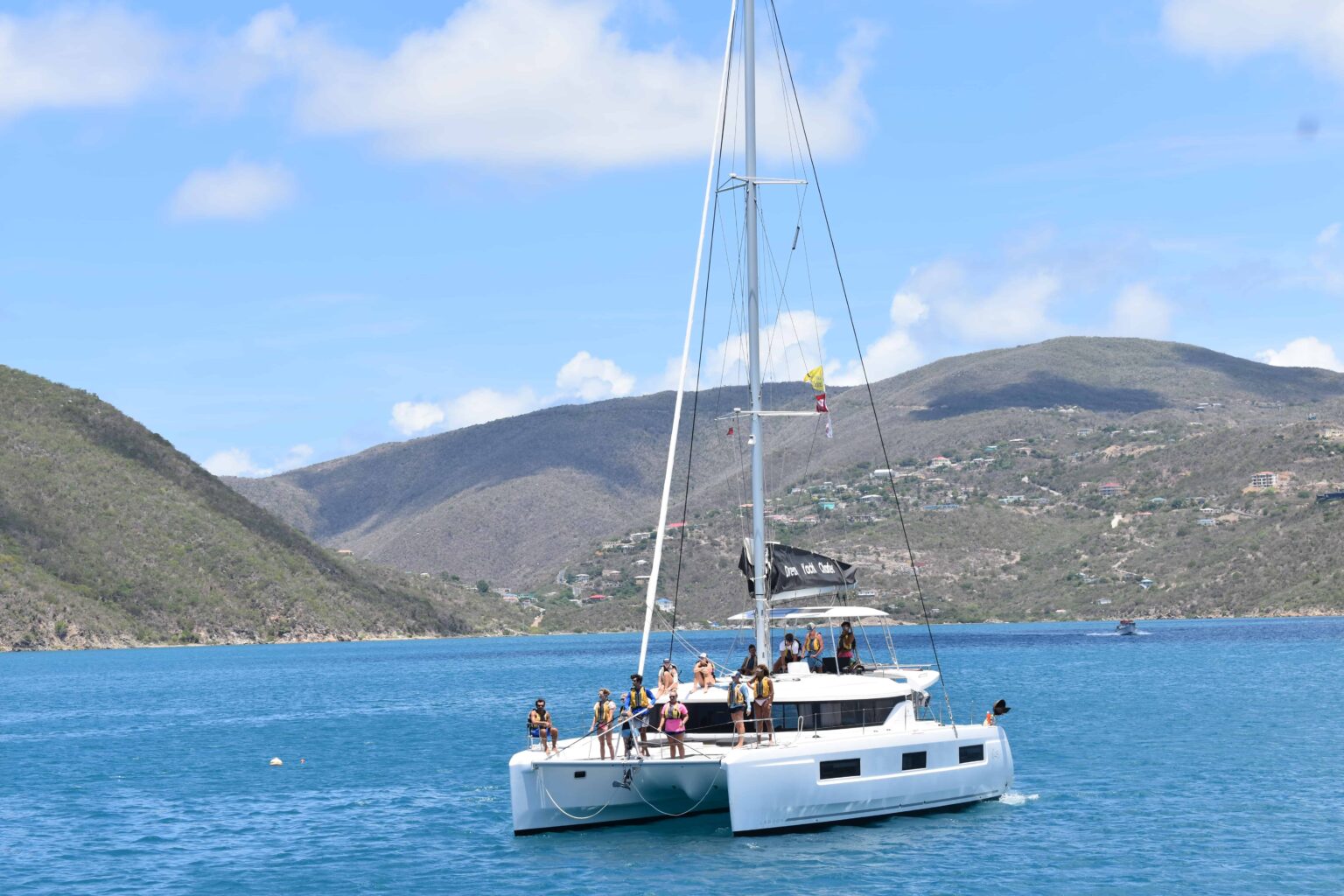
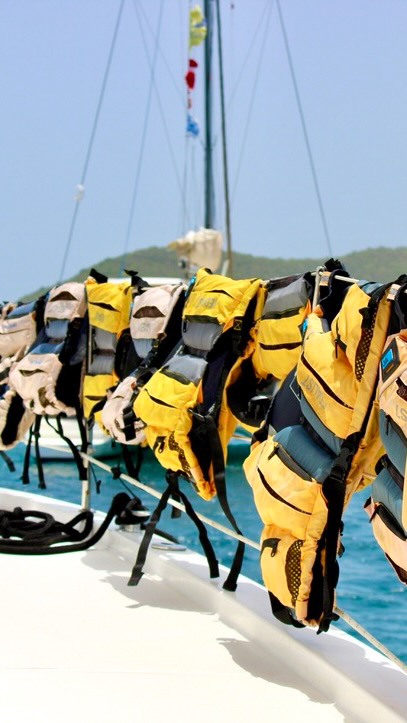
Your yacht is more than a vessel. It’s your home. Learning, sailing, and growing with your crewmates is at the heart of everything we do.